Solmetric SunEye alternatives
No perfect one-to-one replacement for Solmetric SunEye exists today. The market has split into separate categories: field tools for onsite shade capture, remote shade and design platforms, drone-based survey workflows, and broader proposal systems. If you are looking for a Solmetric SunEye alternative, start by defining the job you need the replacement to do. For a practical framework, see choosing a solar shade analysis tool.
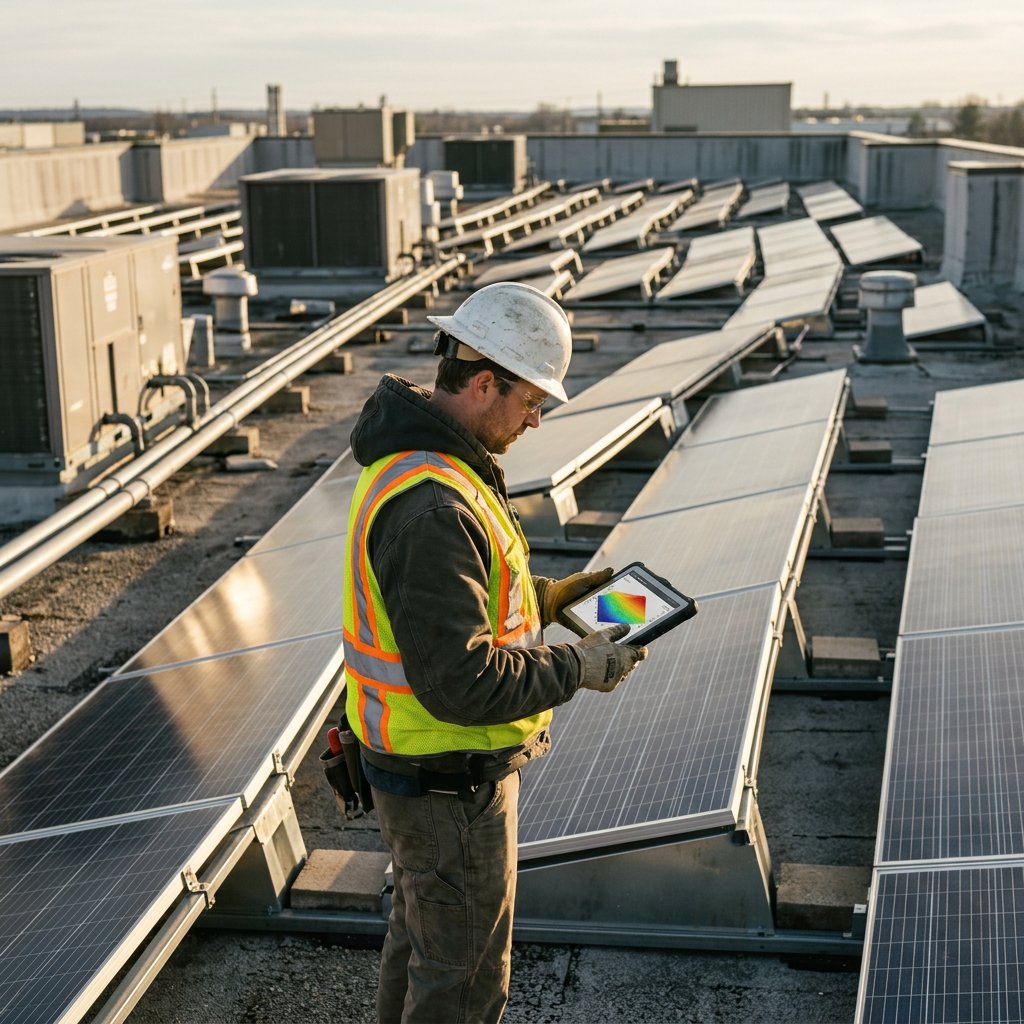
If the priority is measuring trees and obstructions at the property, you still need a field-oriented workflow. If the goal is faster roof qualification before anyone drives to the home, remote solar site assessments may be the better upgrade. And if you want to modernize the entire lead-to-proposal process, a broader design or proposal platform may deliver more value than a like-for-like shade device.
That is why many solar teams now work remote-first: screen and prioritize from the desk, then keep in-person validation for complex, tree-heavy, or borderline roofs.
Choose the job you need the replacement to do
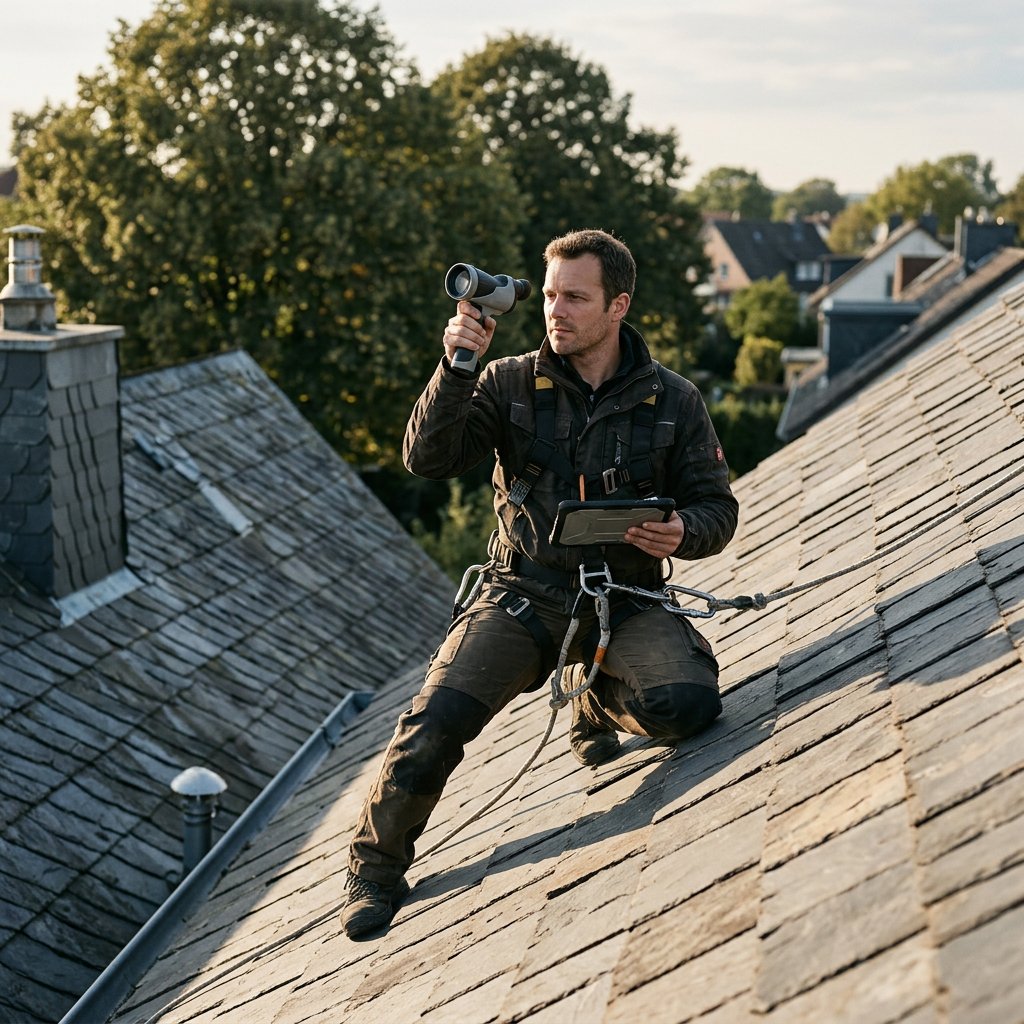
SunEye was commonly used for three practical jobs. First, it helped capture onsite shade and obstructions in the real environment rather than from a map view for sun and shadow analysis for site surveys. Second, it supported field decisions around solar access and whether a roof had enough usable sun exposure to move forward. Third, it gave teams an early roof-viability read before they invested more sales or design time. Those jobs sit close together, but they are not the same.
That distinction matters because most current alternatives replace only one part of that workflow. A remote design platform may speed up pre-sales qualification and proposal creation, but it will not behave like a dedicated field shade device. A drone workflow may improve roof detail and measurements, but it still requires a site visit. An all-in-one proposal tool may help reps move fast on straightforward homes, yet it may not provide the same confidence on a tree-heavy property where the original SunEye process mattered most.
So before comparing vendors, separate pre-sales qualification from install-stage validation. Pre-sales screening is about speed, prioritization, and avoiding wasted site visits. Install-stage validation is about confirming what remote imagery, modeling, or homeowner information could not prove. In practice, the best Solmetric SunEye alternative is usually the one that fits the right workflow stage, not the one that simply looks closest on a feature checklist.
Compare the main replacement paths at a glance
The easiest way to compare SunEye replacement paths is by workflow fit rather than brand names alone. Capabilities and commercial terms change, so use the table as a practical filter and verify current features, data sources, and pricing directly with each vendor.
| Replacement path | Example tools | Best fit and strongest stage | Main strengths | Main tradeoffs | Cost and training profile |
|---|---|---|---|---|---|
| Handheld or onsite tools | Dedicated shade devices and field capture apps | Borderline residential jobs, dense-tree properties, and final validation on complex roofs | Direct onsite observation of trees and obstructions; strongest for final solar-access decisions | Slower workflow, requires a site visit every time, limited collaboration for fast proposal work | Lower software complexity, but higher labor per job and training must focus on consistent field capture |
| Remote design and shade platforms | Aurora Solar, HelioScope | Remote pre-sales screening, standard residential roofs, commercial pre-design, shared design workflow | Fast remote modeling, layouts, reporting, and easier collaboration between sales and design | Results depend on imagery and model quality; hidden roof issues and changing vegetation can be missed | Typically deeper onboarding and subscription cost; strongest when design volume is high |
| Drone capture and modeling | Scanifly and similar drone workflows | Complex roofs, steep roofs, commercial properties, and engineering handoff after qualification | Strong roof detail, measurements, and documentation when aerial imagery alone is not enough | Still field-based, adds drone process and operational constraints, not as instant as desk screening | Specialized training and extra workflow lift, but useful when survey detail matters |
| All-in-one design or proposal platforms | OpenSolar, Solargraf | Fast homeowner proposals, straightforward residential roofs, and sales-led teams that need speed | Quick quoting and proposal output with lighter collaboration for early homeowner conversations | Not a direct field shade instrument; depth varies on complex shade, commercial scope, and final validation | Often easier to adopt and compare on affordability, but output depth differs by platform |
For many teams, the best answer is not a single row in the table. It is a hybrid approach: remote qualification first, then targeted field or drone validation when confidence drops.
Use this checklist to judge any SunEye replacement
Use this checklist before you switch. It keeps the evaluation tied to the outputs your team needs, not just what looks good in a demo.
- Match the tool to the output your team actually uses. Some teams need simple shade percentages. Others rely on obstruction visuals or on how to calculate solar access and TSRF for go/no-go screening. If your process depends on a specific metric or report format, the replacement must reproduce it or provide a clearly accepted equivalent. A polished interface is not enough if the output cannot support the decision your sales or design team has to make.
- Check what powers the result. Onsite measurement, aerial imagery, lidar, drone capture, and imported design data each create a different level of confidence. Remote imagery-driven tools can be excellent for speed, but dense canopy, recent tree growth, outdated imagery, and hidden roof conditions can reduce reliability. Drone capture can improve geometry and detail. Field measurement remains strongest when you need direct observation of trees and obstructions from the property itself.
- Test the tool on the roof types that break easy assumptions. Do not evaluate only on clean, simple roofs. Use properties with dormers, skylights, vents, parapets, multiple facets, unusual geometry, evolving vegetation, and tight setbacks. Include commercial roofs with rooftop equipment if that is part of your pipeline. A replacement that performs well on easy jobs but fails on your edge cases will create rework exactly where SunEye-style confidence mattered most.
- Separate the workflow stage it serves best. Ask whether the tool is strongest for pre-sales qualification, design development, final site validation, or engineering handoff. Many platforms are excellent at early screening and proposal speed but weaker as a last-word field check. Others are powerful for survey detail but too heavy for rapid lead triage. When one tool is forced to cover every stage, teams often overtrust it in situations it was not built for.
- Review collaboration and cloud access. Sales, design, operations, and outside partners may all need to see the same project at different times. Check whether the result is easy to share, revisit, annotate, and compare across versions. Cloud access, role visibility, and a clear project history matter when a rep qualifies a lead remotely and a designer later needs to understand what assumptions were made and why.
- Look at downstream outputs, not just the screen. Some alternatives create technical assessment reports. Some are built around proposal output. Others are strongest when exporting into design, CRM, or permitting workflows. Confirm how the data moves into the next step. If your team must retype roof notes, upload screenshots manually, or maintain side spreadsheets, the software may solve one problem while creating another.
- Count the full switching cost. Subscription price is only the most obvious number. Also factor in onboarding time, template rebuilding, process changes for field teams, internal documentation, and the learning curve for reps, designers, and managers. A cheaper option on paper can become expensive if adoption is slow or if your team needs parallel systems for months because nobody fully trusts the new workflow yet.
- Decide how often physical site visits will still be required. The practical question is rarely whether a tool can eliminate field surveys altogether. It is which projects you can confidently screen remotely and which ones must escalate to onsite validation. If that escalation rate will remain meaningful, prioritize a replacement that improves triage and consistency rather than one that promises to remove every in-person check.
Why most alternatives are software-first now
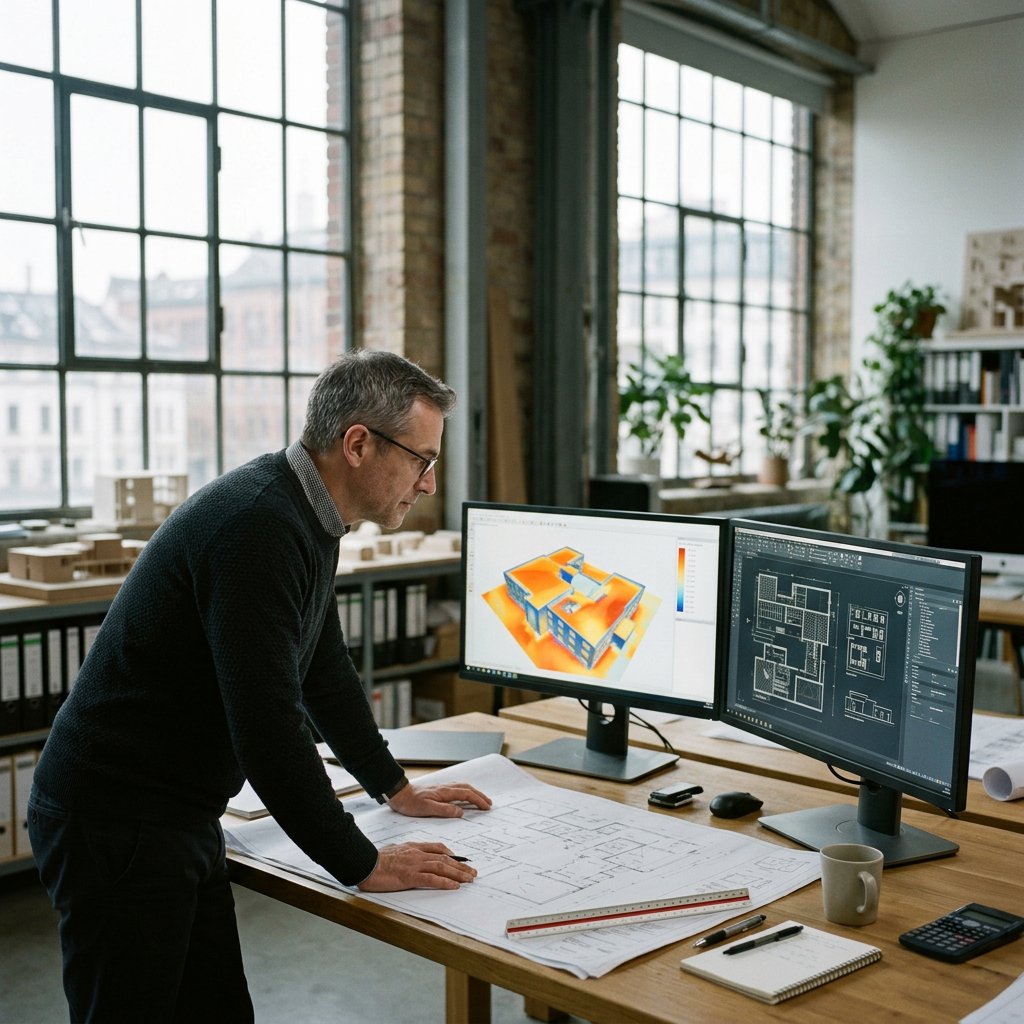
Most SunEye alternative discussions now broaden quickly into remote design, proposal, and operations software because the market itself has changed. Solar companies are not only trying to replace a way to measure shade. They are trying to reduce how long it takes to qualify a roof, decide whether a lead is viable, create a preliminary design, and move the project to the next team. That is why current replacement options increasingly center on cloud platforms rather than single-purpose measurement tools. The buying decision is less about one instrument and more about a connected workflow. For a software-based alternative that models shading and production impacts inside proposal workflows, see PVsyst shadow analysis for proposals.
Speed is a major reason for that shift. Paid acquisition, referral flow, and inbound website leads all create pressure to respond quickly. Teams do not want to wait for a site visit before deciding whether a property deserves follow-up. Software-first alternatives let sales or design staff screen more opportunities from the desk, rank rooftops by viability, and reserve travel for the jobs that have a realistic path forward. That helps reduce wasted site visits and keeps capacity focused on higher-probability opportunities instead of treating every lead as if it deserves the same level of field effort.
Collaboration is another reason. A dedicated field tool can produce useful data, but the rest of the organization still needs that information translated into notes, reports, layouts, and next actions. Cloud-based alternatives often keep the project model, shade assumptions, layout work, and customer-facing output in the same environment. That makes it easier for sales, design, and operations to work from one shared record instead of passing screenshots, PDFs, or verbal context between teams. Fewer manual handoffs usually means fewer dropped details and fewer avoidable delays.
Software-first tools are strongest when the goal is remote qualification, faster proposals, and better visibility across sales and design steps. Aerial imagery, lidar-backed data where available, property information, and cloud modeling can be enough to screen many standard roofs before anyone visits the site. For simple residential jobs, that may be enough to decide whether the lead should move forward. For commercial pre-design, the same approach can help frame feasibility, support earlier internal review, and prepare a more useful engineering handoff later in the process.
This is also why many alternatives pages expand into design, proposal, and broader workflow categories rather than staying limited to handheld shade analysis. What teams are often replacing is not only shade capture, but a slower, more fragmented process around it. A software-first stack does not make field reality unimportant. It moves the field check to the point where it adds the most value. In practice, the appeal is not just a different way to estimate shade. It is faster turnaround, easier collaboration, and a more connected path from first inquiry to qualified project.
Keep onsite validation for the roofs remote tools can misread
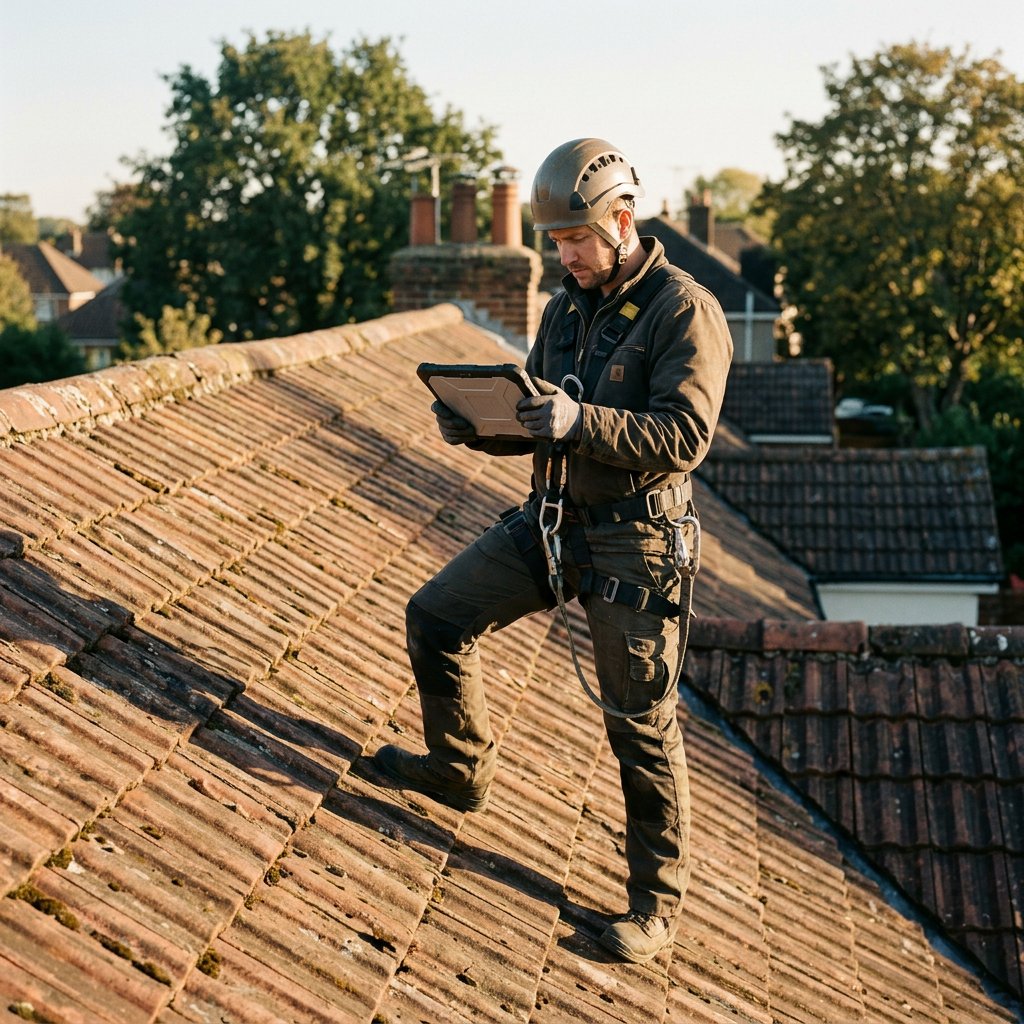
Remote assessment tools can be very effective, but they are not equally reliable on every roof. Properties with dense tree canopy are a common problem, especially when branches overlap the roof plane or vegetation has changed since the source imagery was captured. Dormers, parapets, chimneys, skylights, vents, and unusual roof geometry can also distort how cleanly a model reflects real install conditions. So can roof damage, surface wear, or tight setbacks that matter for layout but are hard to confirm from remote data alone. The farther a project moves from a simple, open roof, the more valuable field validation becomes.
In-person verification is especially important when shading is borderline or when the projected production outcome is sensitive to small changes in the model. A roof that looks acceptable in a remote design may become questionable once tree height, seasonal growth, roof condition, or usable working area is verified on site. The same applies when install feasibility depends on details imagery does not confirm well, such as access constraints, rooftop equipment congestion, structural concerns observed during survey, or conditions that affect how arrays, conduit, or setbacks must be handled.
The best way to manage that risk is to define an escalation rule instead of relying on individual judgment alone. Start every opportunity with a remote screen, then require a physical solar site survey when imagery is unclear, when data sources conflict, when the roof has heavy or fast-changing vegetation, when geometry is unusually complex, or when the design only works if assumptions break in a narrow direction. It also makes sense to escalate when homeowner-provided photos disagree with the model or when a project has high downside if the production picture changes materially after the proposal is presented.
That approach keeps proposal credibility and production expectations aligned. Sales can still move quickly on straightforward opportunities, but complex or borderline roofs get the extra validation they deserve before commitments harden. For most solar teams, the strongest replacement strategy is not to remove onsite checks completely. It is to use remote assessment as the first filter, then deploy targeted field validation where model confidence is low or the cost of being wrong is high. Remote-first works best when it is paired with clear rules for when reality must be checked in person.
Turn faster site assessment into a cleaner lead-to-close handoff
For many solar companies, the biggest gain from moving beyond a single-purpose shade tool is operational, not technical. Faster roof screening means fewer wasted site visits, better use of survey capacity, and quicker movement from new inquiry to qualified appointment. To capture that value, the assessment step needs to sit inside a documented sales process: inbound lead, remote roof and shade screen, qualification decision, appointment setting, field survey when required, then design and proposal progression. When that path is clear, only viable properties reach the most expensive stages.
This is where Enervio fits naturally. Enervio does not replace a SunEye-style device or perform the shade analysis itself. It helps solar companies manage what happens after the assessment step: lead capture, homeowner qualification, property data checks, instant estimates, automated follow-up, appointment-booking workflows, and deal progression inside one solar-focused growth system. For teams adopting a remote-first screening model, that kind of integrated handoff matters because a promising roof is only valuable if the lead is contacted quickly, qualified consistently, and moved to the next stage without manual gaps.
If you are redesigning the workflow around a SunEye replacement, it also helps to standardize the supporting process around it. See our related guides on remote solar site assessments, shading analysis, solar access and TSRF calculations, and site-survey checklists. Those topics should connect directly to how your team books appointments, sets homeowner expectations, and hands projects from sales to design. The more consistent your solar sales platform workflow becomes, the easier it is to decide which roofs can stay remote, which ones need field validation, and how each qualified opportunity moves cleanly toward a close.