Solar Feasibility Study Cost
A solar feasibility study can cost anything from a fast, early-stage screening fee to a much deeper project-specific analysis. In practical terms, a simple desktop check may be free or low-cost when it is used for early qualification, a standalone remote assessment may sit in the few-hundred to low-thousands range, and a decision-grade review for a complex commercial or development-stage project can move into several thousand dollars or more. The important point is that those are not the same service.
The study fee is also separate from the total cost of the solar installation. What you are paying for at feasibility stage is earlier risk reduction: better production assumptions, clearer site constraints, more realistic savings logic, and fewer expensive surprises later in design, permitting, procurement, or interconnection. To compare prices properly, you need to know exactly what scope is included, what is excluded, and how much confidence the result is meant to support.
Why one solar feasibility quote can be 5x another
One solar feasibility quote can be five times another because the same label is often used for very different pieces of work. Terms such as desktop study, remote assessment, site survey, site assessment, and full feasibility study are regularly used interchangeably, even though site survey vs site assessment distinctions affect the questions answered and the level of effort required. For sales teams, a solar feasibility study for sales clarifies the components and deliverables that drive cost.
In most cases, the fee is driven less by a flat market rate and more by how deep the technical, financial, grid, and permitting review needs to go. A quick early screen may only test usable area, rough production, and basic economics. A fuller solar site assessment may add site observations, utility analysis, tariff modeling, grid or interconnection flags, permitting risks, and a written decision document.
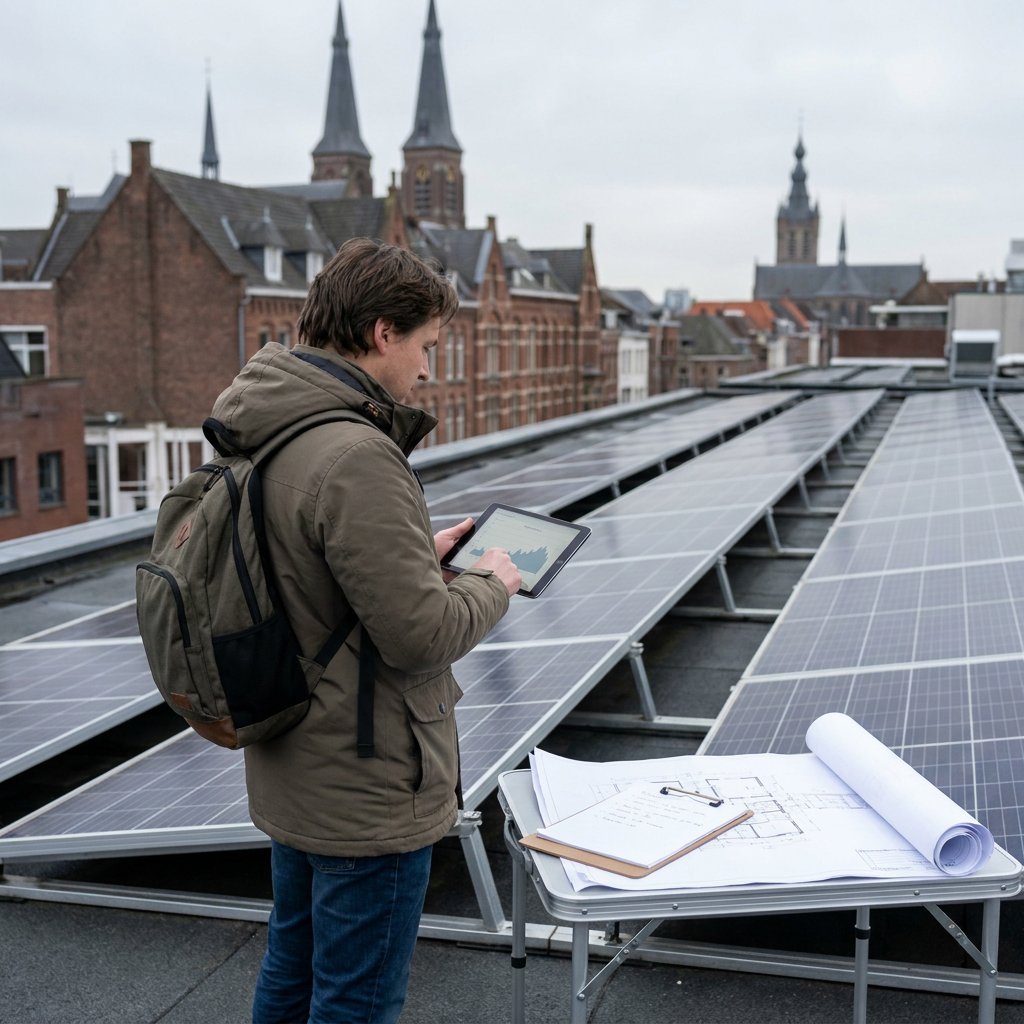
Project type changes the workload immediately. A straightforward residential roof usually needs less work than a commercial site with interval data, time-of-use pricing, and electrical constraints. A development-stage ground-mount project may need an even broader review because land, planning, access, and grid issues can materially change viability before detailed design begins.
The scope tiers behind the price tag
A practical way to compare solar study pricing is to map the quote to a scope tier. The ranges below are broad, illustrative USD figures only. Actual pricing varies by market, system size, data quality, travel, and whether the study is only for early qualification or needs to support budgeting, board approval, financing, or a higher-confidence go/no-go decision.
| Scope tier | Typical use | What is usually included | Indicative fee | Common exclusions unless separately quoted |
|---|---|---|---|---|
| Quick desktop screen | Early filtering of obvious fit or no-fit opportunities | Aerial or map review, rough usable area check, basic orientation and shading review, simple size range, high-level production and savings indication, early red flags | Free to low hundreds | Site visit, structural review, detailed electrical checks, formal report, permit or interconnection work |
| Remote assessment | Preliminary proposal support or better early-stage qualification | Utility bill review, more defined layout assumptions, refined production estimate, basic incentive review, simple savings model, short written deliverable | Hundreds to low thousands | Stamped engineering, formal permit package, detailed tariff optimization, specialist surveys |
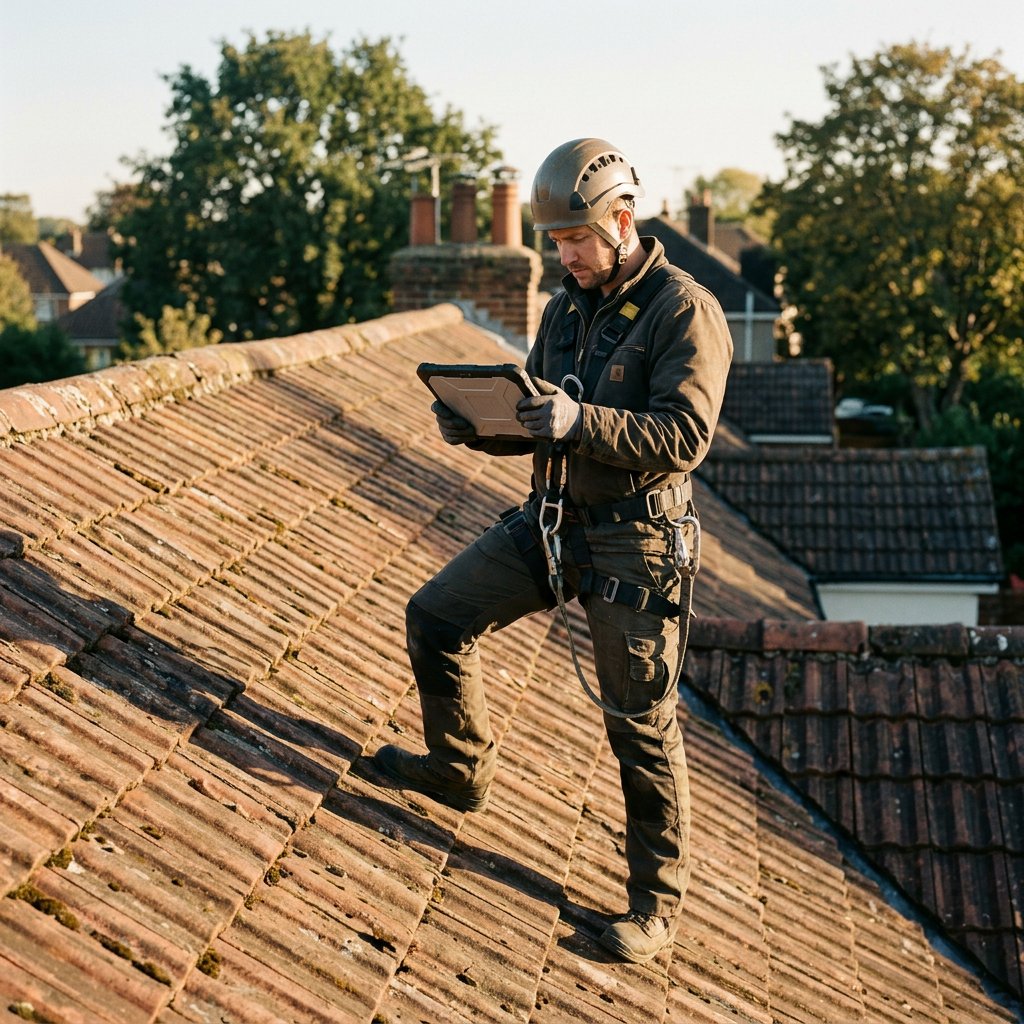
| On-site feasibility review | Projects where access, electrical setup, shading, or layout confidence matters | Site visit, measurements, photos, access observations, electrical and equipment notes, refined constraints log, tighter production and budget assumptions | Low thousands to several thousand | Full design package, structural certification, formal interconnection submission, procurement support |
| Decision-grade or pre-construction analysis | Internal approvals, financing, complex commercial planning, or development-stage decisions | Detailed load and tariff analysis, interval data where available, scenario modeling, battery or resilience inputs if relevant, permitting and grid flags, risk register, fuller written recommendations | Several thousand and up | Geotechnical studies, environmental surveys, stamped engineering, complete permit sets, formal interconnection studies, EPC procurement management |
The project details that push the fee up
Study fees rise when the project needs more checking against a site survey checklist for solar sales, more specialist judgment, or more rounds of data collection. Common cost drivers include:
- Roof and site complexity. Multiple roof planes, obstructions, unusual orientations, shading from trees or nearby buildings, and tight access all increase the time needed to assess usable area, layout options, and likely performance, including how to calculate solar access and TSRF.
- Structural and equipment unknowns. If the roof condition, loading capacity, panelboard arrangement, or service equipment is unclear, the study often needs additional assumptions, more site verification, or later engineering input.
- Commercial tariff and load modeling. Commercial and industrial projects can require interval data, time-of-use analysis, demand charge review, export assumptions, and multiple savings scenarios instead of a simple bill-offset estimate.
- Battery and resilience requirements. Once backup power, load prioritization, or operational resilience enters the brief, the analysis typically expands beyond simple PV production and into more detailed technical and financial modeling.
- Development-stage constraints. Ground-mount and larger commercial projects may trigger planning checks, environmental considerations, land-use questions, legal review, or grid and interconnection constraints that require separate specialist input.
- Missing source data and extra travel. Incomplete utility records, unclear site drawings, repeated clarification, and added travel for harder-to-access locations increase real cost because they create rework, follow-up questions, and extra analysis rounds.
How to compare quotes without buying rework later
When you compare solar feasibility quotes, compare the deliverables and assumptions before you compare the headline fee. Two studies can look similar on price sheet language yet be built on very different inputs. Check how production is modeled, what shading method is used, whether savings are based on real bills or generic benchmarks, how incentives are treated, and whether permitting or grid constraints are only mentioned casually or actually reviewed. A solar feasibility report template can help itemize scope and line items so you can price studies consistently.
Utility and load data matter especially when the project has time-of-use pricing, demand charges, export limits, or a more complex bill-saving objective. A quote based on generic consumption assumptions may look cheaper, but it can also produce weak savings logic and create rework later when the real tariff or interval profile is finally analyzed. The more the business case depends on actual load shape, the more important real source data becomes.
Also check what happens after the study is delivered. Are revisions included if new utility data appears? Can the output feed an internal approval process or a customer-facing proposal? Are later design, engineering, permitting, or interconnection fees separate? A higher-priced feasibility study can still be the lower-cost choice overall if it helps avoid missed service upgrades, overly optimistic savings promises, permitting friction, or interconnection surprises that force the project team to start over.
How Enervio teams reduce wasted feasibility work upfront
From Enervio’s side of the solar workflow, wasted feasibility effort usually starts before engineering does: unnecessary site visits, incomplete utility data, weak intake, and proposals built before the opportunity is clearly qualified. That is why early screening matters. In many cases, remote solar site assessments can separate a straightforward opportunity from a project that genuinely needs deeper feasibility work.
Enervio’s solar sales platform is built around that earlier stage of qualification. Its workflow combines lead capture, homeowner qualification, property data checks, instant estimates, automated follow-up, and appointment-booking support so teams can collect cleaner information before deeper technical review is commissioned. That does not replace detailed due diligence on complex commercial, structural, permitting, or interconnection issues. It helps teams escalate the right projects at the right time and avoid spending high-effort feasibility time where a simpler screen would have been enough.
FAQ: related solar cost questions that come up alongside feasibility studies
People researching feasibility costs often mix that topic with wider solar pricing questions. The distinction matters. A feasibility study fee pays for analysis and risk reduction before installation. System price, panel price, and code-related design limits may influence the project, but they do not automatically tell you what the study itself should cost.
What is the 20% rule for solar?
People often use the “20% rule” as shorthand for the 120% busbar rule in certain electrical code contexts. In plain language, it refers to a limit on how much back-fed solar can be added to a panelboard relative to the busbar rating, subject to the applicable code, equipment ratings, breaker placement, and project configuration. It is a technical design constraint, not a pricing rule for feasibility studies.
What it can do is increase study effort on some projects. If the existing electrical setup may limit solar capacity, the assessor may need a deeper electrical review, alternative connection options, or a service-upgrade discussion. That can expand scope and fee. The rule affects system design feasibility; it does not by itself set the study price.
How much do solar panels cost per square meter?
That is mainly a system-pricing question, not a feasibility-study pricing question. There is no single reliable cost per square meter because module type, panel efficiency, mounting method, roof type, labor, electrical balance-of-system components, and market conditions all affect the installed cost. The same area can also produce very different system sizes depending on module choice and spacing requirements.
In a feasibility study, area still matters because it affects likely system sizing, layout assumptions, and production potential. But the study fee is driven by scope and deliverables: how deeply the site, savings case, constraints, and risks are analyzed. Square-meter panel pricing and feasibility-study pricing answer two different questions.
How much does a 3kW solar panel cost?
A 3 kW figure usually refers to a small solar system size, not the cost of one panel. The installed price of a 3 kW system is separate from any feasibility or assessment fee. For a simple residential project at that size, the study scope may be relatively light, sometimes limited to desktop or remote screening before a formal system quote is prepared.
Some sellers roll early assessment work into later sales, proposal, or design steps, so the customer may not see a separate line item for how much a simple solar site visit costs or for feasibility. Even then, the scope should be clear. A quote should state whether it only covers basic qualification, or whether it also includes a site visit, deeper technical analysis, detailed design assumptions, or later engineering work.