Solar feasibility report template
A solar feasibility report is the early-stage decision document that tells you whether a project is worth advancing before time and money go into detailed design, procurement, or grid applications. It brings together findings from a solar site assessment, energy usage, likely system performance, financial viability, and regulatory constraints in one place.
A useful report does more than produce a rough quote. It shows the assumptions behind the numbers, the risks that could change the outcome, and the blockers that could stop the project altogether. That is what makes it useful as a real decision tool: it helps a team decide whether to move forward, revise the concept, or walk away early.
Below, you will find a practical structure for the report itself, the workflow used to build it, how scope changes between rooftop and power-plant projects, and the main factors that drive cost. For a step-by-step framework that aligns with these sections, see solar feasibility study for sales.
What the report needs to prove before you move a project forward
A solar feasibility report should answer one core question: is this project technically workable, commercially sensible, and realistic to deliver? Until those three points are tested, moving into detailed engineering is often premature.
On the technical side, the report needs to show whether the site can genuinely host solar. That means checking usable roof or land area, orientation, shading, setbacks, access, and any obvious structural or physical constraints—see roof structural checks before solar installation for what to inspect. The report should also estimate likely generation using transparent assumptions, including how to calculate solar access and TSRF, rather than headline numbers alone.
On the commercial side, the document should translate energy production into a business case. That includes expected output, project costs, available incentives where relevant, energy savings, export assumptions, methods to estimate solar payback in proposals, and return expectations. The point is not to force precision too early, but to show whether the opportunity is robust under realistic inputs.
Just as important, a solar feasibility report should expose delivery risk early. Permitting hurdles, interconnection delays, transformer limits, access issues, or building infrastructure constraints can turn a promising concept into a stalled project. For electrical capacity checks, review the 120 percent rule for solar for busbar and interconnection limits.
A practical template for the report itself
If you need a repeatable structure, the best solar panel feasibility study format is one that lets a sales, operations, or development team review risk quickly without losing the technical detail behind the recommendation. A practical feasibility study for a solar PV project usually includes the following sections:
- Executive summary: State the project scope, the site location or asset type, the proposed use case, and the headline conclusion. Make the viability call clear: advance, revise, or stop. Also highlight the biggest assumptions, unknowns, and blockers.
- Project basics and scope: Record site type, ownership context, target system type, available drawings or imagery, data sources used, and any exclusions from the study.
- Site and asset findings: Summarize usable roof or land area, orientation, tilt, shading, access, equipment space, condition, and any obvious structural or civil limitations.
- Energy demand and tariff analysis: Review electricity bills or interval data, seasonality, load profile, peak demand, tariff structure, and export conditions.
- System sizing logic: Explain how the recommended size range was developed, what load it is meant to offset, and whether storage appears relevant.
- Production and savings method: Show the assumptions used to estimate generation, self-consumption, exports, degradation, and savings.
- Economics and incentives: Include preliminary capex, operating assumptions, available incentives, and financial outputs such as payback or return range.
- Permitting, interconnection, and recommendation: Note approval requirements, grid or infrastructure constraints, and the final recommendation on whether to advance the project.
How the workflow runs from site data to a go / no-go recommendation
A strong report is usually built in stages rather than all at once. That matters because the right level of effort depends on whether the project still looks viable after each step.
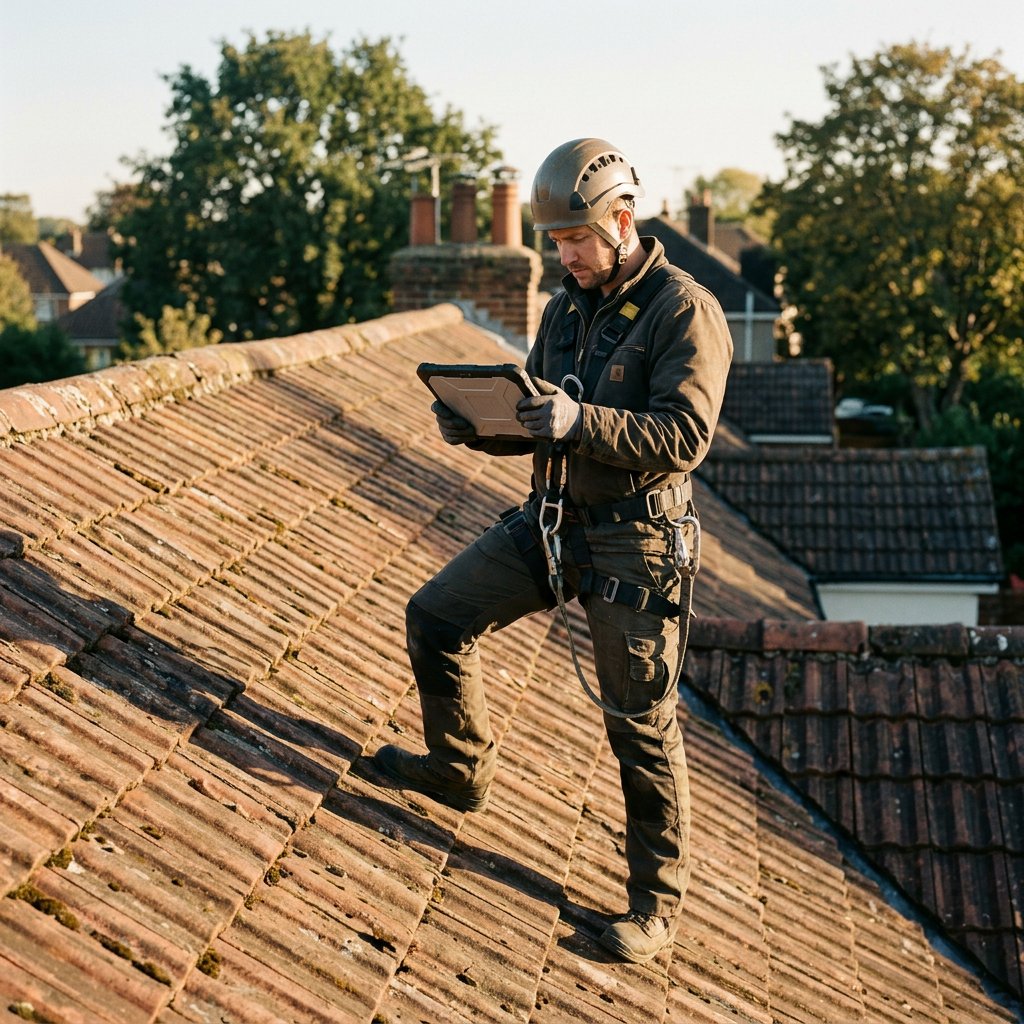
- Start with screening. Use aerial imagery, mapping tools, existing plans, or answers to solar site survey template questions to estimate solar access, usable area, obstructions, orientation, and basic fit. At this stage, the goal is to rule out obvious non-starters quickly.
- Gather energy and tariff data. Electricity bills show annual usage, but interval data is often needed to understand seasonality, daytime demand, and load shape. For commercial sites, tariff structure can matter as much as total consumption because demand charges and time-of-use pricing change the savings model.
- Develop a preliminary system concept. Build a sensible size range, estimate generation, test self-consumption versus export, and check whether storage could improve economics or resilience. Assumptions should stay transparent and easy to challenge.
- Review external constraints before finalizing economics. Incentives, maintenance assumptions, permitting requirements, roof-life issues, and interconnection rules can materially change the value of a project. They should be reviewed before the recommendation is locked.
- Compile the go / no-go recommendation. The final output should state the viable system-size range, main caveats, confidence level, and next step: proposal development using solar proposal templates, detailed design, engineering review, or stop. For solar companies processing many opportunities, consistent qualification at this stage is critical. That is also why platforms such as Enervio focus on lead capture, property-level checks, and automated follow-up before deeper technical work is commissioned.
How the report changes for rooftop, commercial, and solar power plant projects
The right format depends heavily on project type. A solar rooftop feasibility report is usually narrower and faster than a full feasibility report for a solar power project, because the delivery risks are different. A pre feasibility report for a solar power project is also lighter than a full investment or engineering study.
| Project type | Main focus of the report | What usually gets deeper analysis | Typical decision output |
|---|---|---|---|
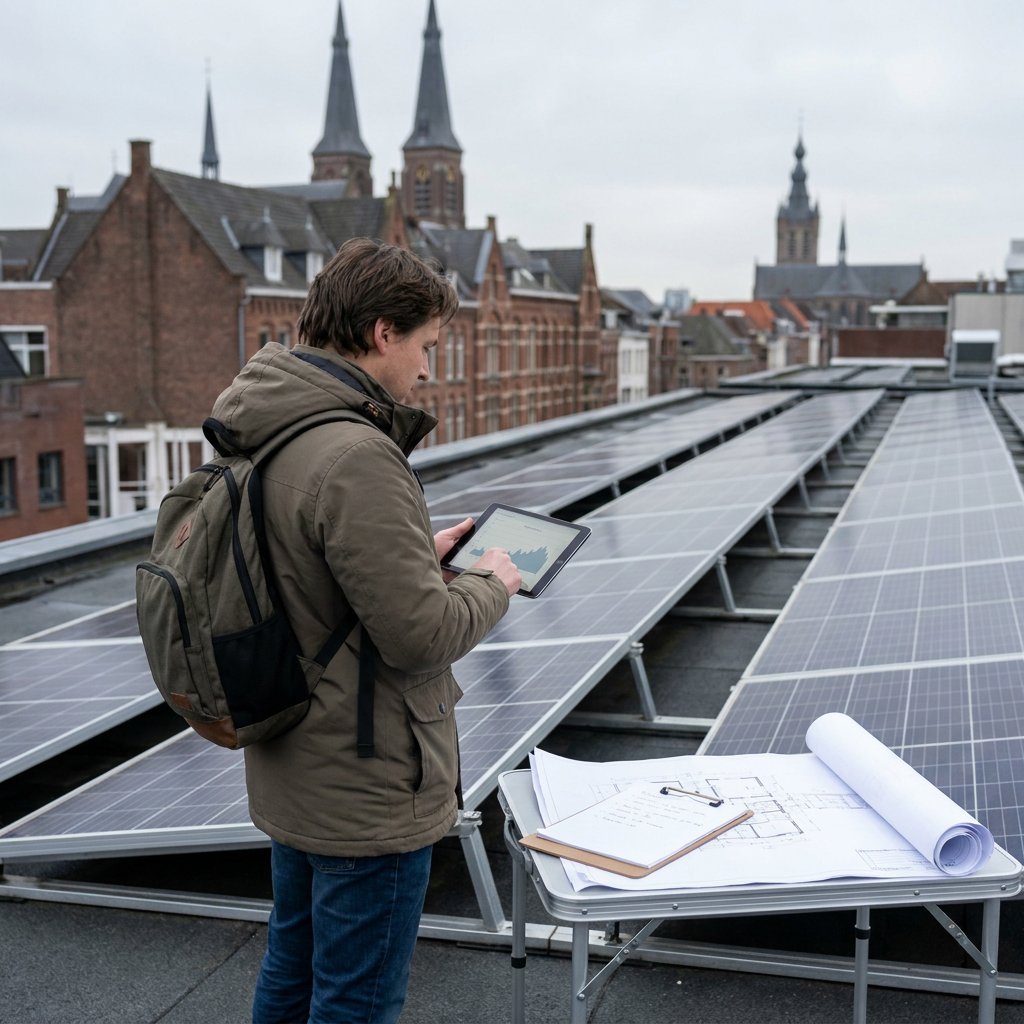
| Rooftop residential or small commercial | Roof condition, usable area, setbacks, shading, access, structural suitability, and how much building load can be offset. | Roof age, equipment placement, export limits, service panel capacity, and any obvious installation blockers. | Fit or no-fit decision, rough size range, and whether to proceed to detailed design. |
| Commercial and industrial | Operational fit, load profile, tariff structure, building constraints, and the financial value of self-consumption. | Interval data, time-of-use rates, demand charges, storage fit, financing assumptions, and site access or business continuity constraints. | Refined business case with clearer savings logic, risks, and implementation caveats. |
| Ground-mount or solar power plant | Land suitability, layout potential, production assumptions, grid proximity, and development risk. | Interconnection difficulty, permitting complexity, civil considerations, environmental constraints, and infrastructure requirements. | Development-screening view on whether the project should move toward full engineering and approvals. |
| Pre-feasibility vs full feasibility | Pre-feasibility screens quickly for obvious fit and headline economics; full feasibility goes deeper on engineering, compliance, and investment readiness. | Full studies test more assumptions, use stronger data, and document permitting or grid risk more thoroughly. | Pre-feasibility supports early filtering; full feasibility supports commitment, funding, or formal approvals. |
What a solar feasibility report costs – and when deeper scope is worth it
The cost of a solar feasibility report depends less on the label and more on the work behind it. Project size, site complexity, engineering depth, interconnection issues, data availability, and permitting or regulatory review all affect scope. That is why a free installer screening, a lightweight pre-feasibility check, and a consultant-led detailed study should not be treated as interchangeable.
| Scope level | Typical use | Relative cost band | What you usually get |
|---|---|---|---|
| Installer screening | Early sales qualification for simple rooftop opportunities. | Lowest; often free or bundled with a proposal. | Basic site check, rough sizing, early savings estimate, and a quick fit assessment. |
| Light pre-feasibility | Filtering projects before design resources are committed. | Low to medium; often a modest fixed-fee or scoped review. | Better site analysis, preliminary usage review, clearer assumptions, and a structured go / no-go recommendation. |
| Detailed feasibility study | Commercial, industrial, or more complex projects that need stronger decision support. | Medium to high; usually custom-scoped. | Deeper tariff analysis, engineering input, permitting and interconnection review, fuller economics, and stronger risk documentation. |
| Development or investment-grade scope | Large ground-mount or solar power plant projects tied to approvals, financing, or major capital decisions. | Highest; multidisciplinary and highly custom. | Expanded technical, grid, land, environmental, and compliance work designed to support downstream investment and development decisions. |
Deeper scope is worth paying for when the cost of being wrong is high in solar sales. If a more detailed study prevents a redesign, exposes an interconnection problem early, strengthens an approval package, or supports financing discussions, it can save far more than it costs. On the other hand, not every project needs a heavy report. If a small rooftop opportunity fails basic shading, structural, or roof-condition checks, an early stop is the most cost-effective outcome.