Featured Post
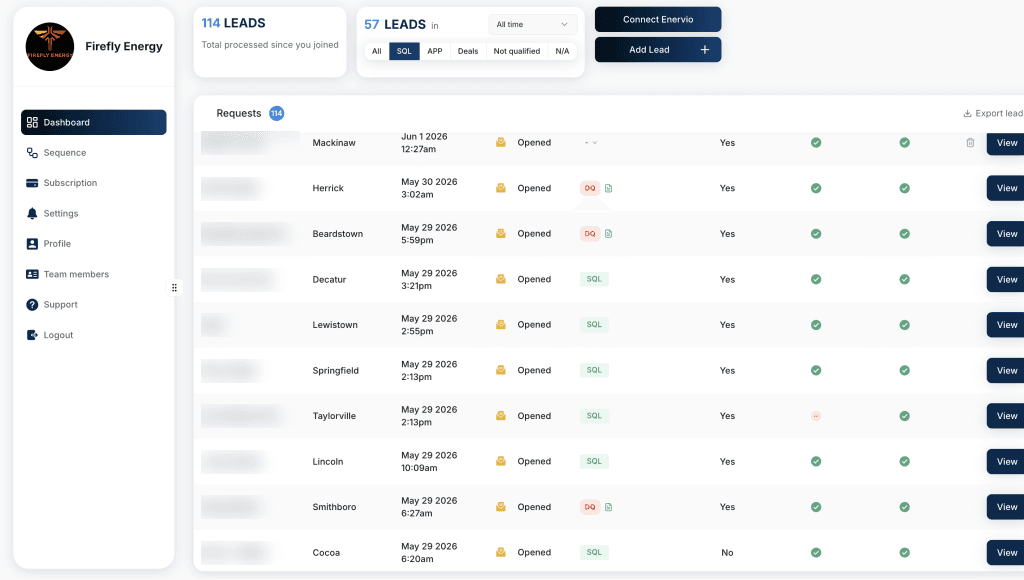
How Firefly Energy Turned Enervio Leads Into 15+ Closed Solar Deals
Firefly Energy started with Enervio through a no-service-charge validation period, where the goal was simple: prove the system before asking for a long-term commitment. In the first two days, Enervio generated 11 leads, 6 sales-qualified leads, and Firefly closed their first deal. After continuing into the full monthly service, the campaign produced 92 leads, 42 SQLs, and 15+ closed solar deals. This case study shows how Enervio helped Firefly Energy move from expensive commission-based lead generation to a complete solar growth system built around qualified leads, follow-up, and real revenue.
Latest Posts
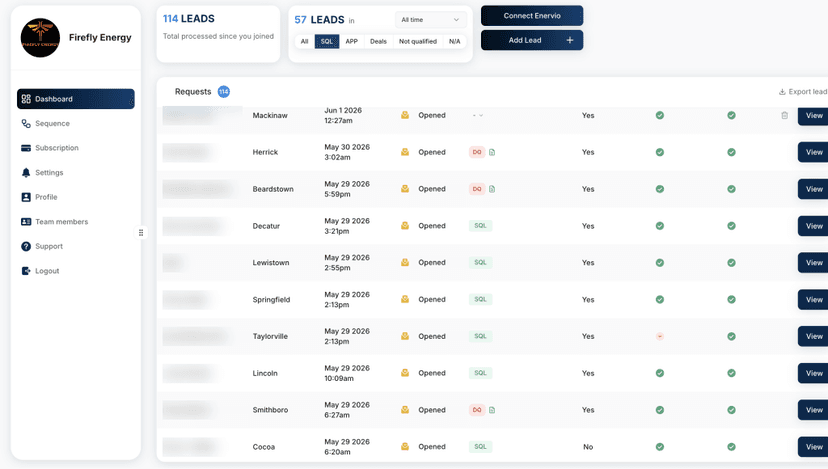
How Firefly Energy Turned Enervio Leads Into 15+ Closed Solar Deals
Firefly Energy started with Enervio through a no-service-charge validation period, where the goal was simple: prove the system before asking for a long-term commitment. In the first two days, Enervio generated 11 leads, 6 sales-qualified leads, and Firefly closed their first deal. After continuing into the full monthly service, the campaign produced 92 leads, 42 SQLs, and 15+ closed solar deals. This case study shows how Enervio helped Firefly Energy move from expensive commission-based lead generation to a complete solar growth system built around qualified leads, follow-up, and real revenue.

Solar Canvassing Guide
Solar canvassing is door-to-door outreach used to identify qualified homeowners and book a next step, usually an assessment or consultation, not to close a full solar deal on the porch. It can still work, but results depend more on territory quality, route structure, credible leave-behinds, and fast follow-up than raw knock volume alone. The strongest teams treat canvassing as one channel inside a broader solar lead generation and appointment-setting process, guided by the solar appointment-setting playbook, so every conversation, no-answer door, and callback request is captured, qualified, and acted on quickly using lead routing and speed to lead in solar.

Commercial Solar Sales Process
Commercial solar sales is a consultative B2B sale with distinct solar sales pipeline stages. Decision-makers rarely buy on green messaging alone; they want a clear case for lower energy bills, payback, ROI, and operational fit.

Commercial solar lead generation
Commercial solar lead generation works best when the goal is qualified pipeline, not just more enquiries. In this market, a lead only becomes valuable if the site is viable, the buyer has authority, and follow-up happens fast enough to move the opportunity toward a survey, proposal, and close. That is why the strongest commercial campaigns combine paid acquisition, landing pages, qualification logic, automation, and clear handoff into sales. If your team is getting form fills but not enough site surveys or serious conversations, the problem is usually not traffic alone. It is the system behind the lead.
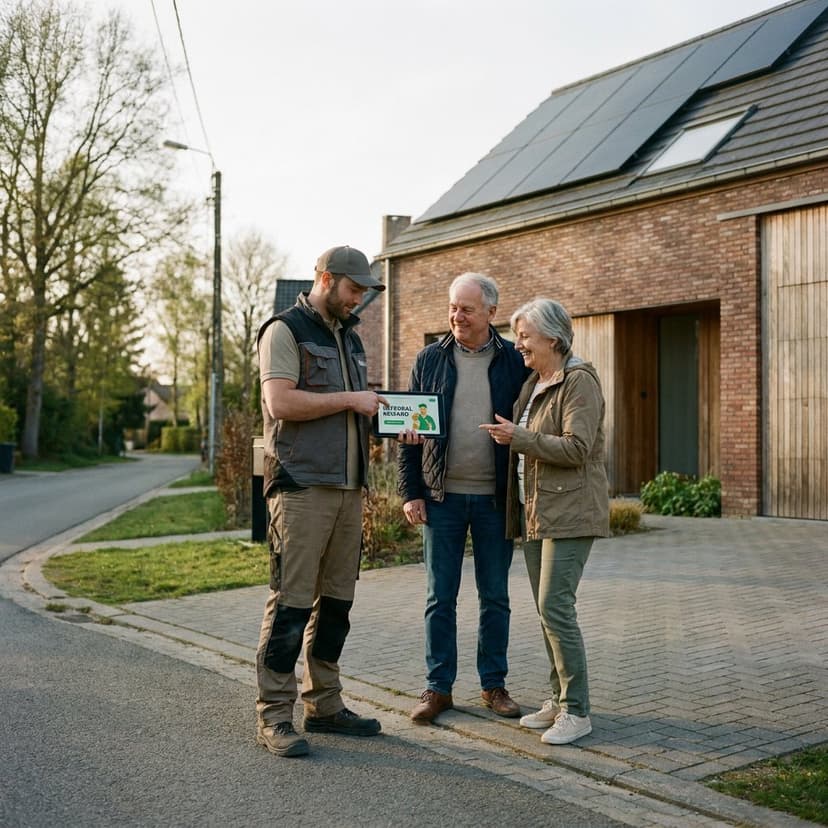
Solar company referral programs
The best solar company referral programs turn satisfied customers into warm leads at a lower acquisition cost than cold prospecting. They are especially useful for teams trying to generate solar leads without cold calling. A strong program is simple to explain, easy to submit, and clear about when a reward is earned.

Solar sales script examples
A strong solar sales script should never sound scripted. It should sound relevant, confident, and easy to respond to. Whether you need a solar cold calling script, a solar telemarketing script, or a tighter appointment-setting flow, the goal is the same: earn attention, uncover the real buying motive, and move the prospect to the next step.
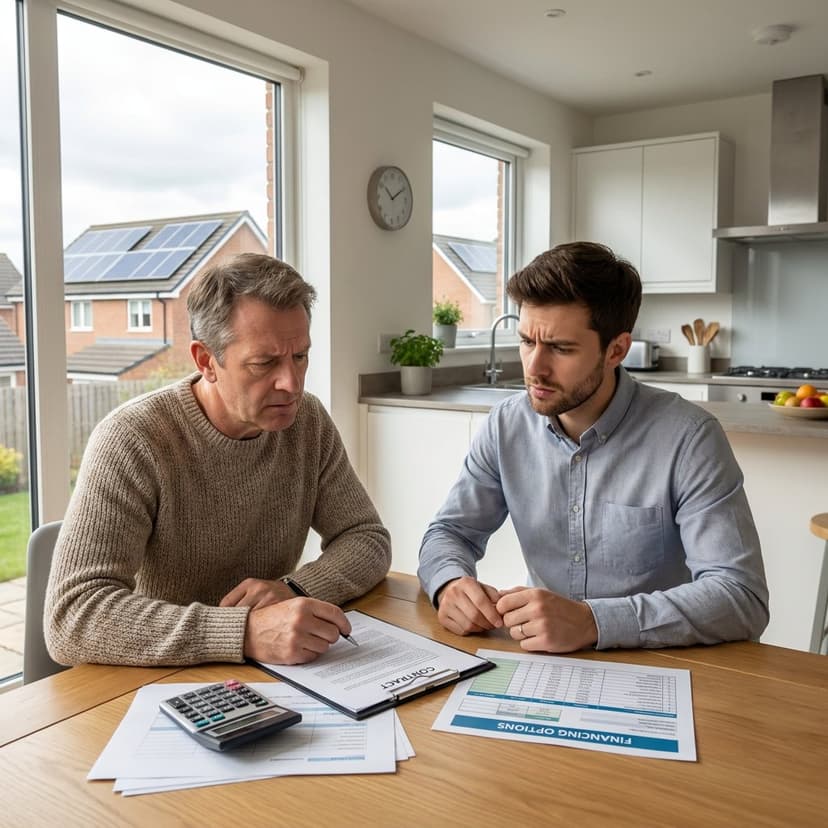
Solar cancellation rate
Solar cancellation rate is the percentage of signed solar deals that never become completed, retained projects. For solar companies, it is a core operations metric. For homeowners, the same topic often shows up as a practical question: can a solar contract actually be canceled? Both angles matter, because high cancellation rates usually come from the same issues - unrealistic promises, financing friction, weak disclosures, long timelines, and poor project follow-up. If you want to reduce solar cancellation rate, you need to measure it correctly, separate avoidable fallout from unavoidable fallout, and fix the point in the process where trust starts to break.

Solar sales pipeline
A solar sales pipeline is the path a prospect follows from first inquiry to signed contract and handoff. In solar, that path is rarely short. Buyers compare quotes, want savings estimates, ask about financing, and often need a site visit before they decide. That is why many solar companies do not have a lead problem at all. They have a conversion problem inside the pipeline. When the stages are clear, the follow-up is structured, and the right metrics are connected, it becomes much easier to see where deals slow down and what to fix first.

Solar lead nurturing
Most solar leads do not become customers after one form fill, one call, or one quote email. Homeowners compare installers, financing, savings, battery options, timelines, and roof fit. Commercial buyers move even slower because multiple decision-makers, budgets, and site requirements are involved. If your follow-up stops after the first week, a large share of otherwise good opportunities will go cold.

Solar lead reactivation
If you are still buying new solar leads while old quotes sit untouched in your CRM, you may be ignoring the warmest pipeline you already own. Solar lead reactivation is the process of going back to past enquiries, unsold quotes, cancelled surveys, and earlier customers with structured follow-up that creates new conversations and booked appointments. See the solar appointment setting playbook.

Solar referral program
A solar referral program turns customer trust into new business. Instead of relying only on paid ads, installers use referrals as a solar lead generation tactic and reward people who introduce friends, family, neighbors, or business contacts that go on to buy solar. For buyers, the offer is simple: they get a discount, bonus, or better buying experience. For installers, referrals usually bring warmer leads, lower acquisition costs, and stronger close rates than cold traffic.