Solar feasibility study for sales teams
A solar feasibility study is the early-stage check that shows whether a project has a realistic technical fit and a workable business case before detailed design or installation begins. At the sales stage, the goal is not final engineering precision. It is to surface major blockers, estimate a credible system-size range, and decide whether the opportunity deserves a fuller review. The most useful studies bring together site conditions, shading, solar resource, load data, and financial assumptions in one clear view so teams can set expectations without overselling savings.
What decisions a feasibility study should settle before design work starts
Before anyone spends time on detailed layouts or engineering review, the study should settle a few core decisions.
- First, it should answer the true go or no-go question: is solar viable on this property for the owner’s actual objective? That objective may be bill reduction, partial load coverage, or hitting a target share of annual energy use. The same site can look strong for one goal and weak for another.
- Second, it should point to the most realistic path early. That might mean rooftop PV, ground-mount, a smaller phased system, or pausing the opportunity altogether because of structural concerns, heavy shading, poor access, or obvious grid limits.
- Third, it should connect technical feasibility to the owner’s energy profile and financial goals. A large roof or open land area does not automatically create a good solar project if usage patterns, export rules, or savings expectations do not support it.
- Finally, a solar feasibility study should end with an action the team can take: move forward, revise scope, collect more utility or structural data, or escalate to a fuller engineering review.
How to test whether the site can actually support solar
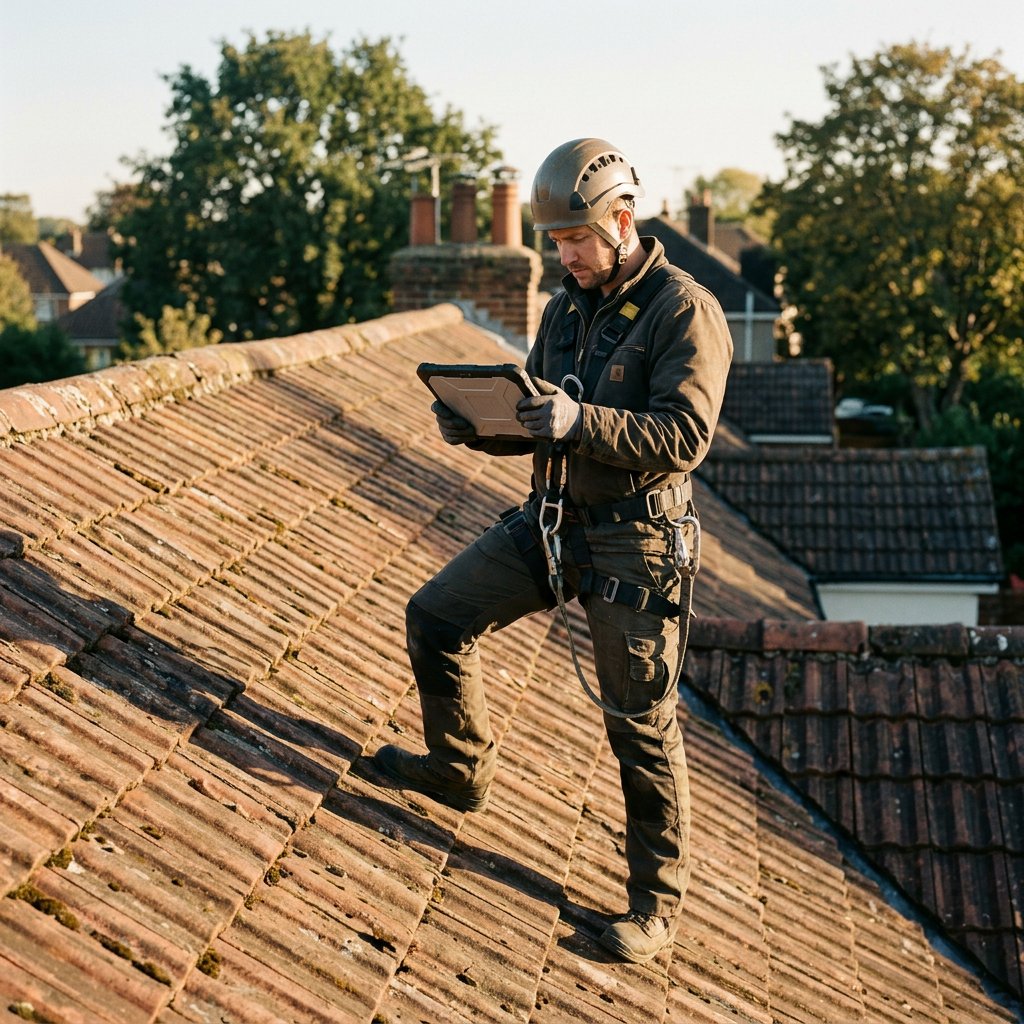
Start with physical fit. For rooftops, that means checking usable area after setbacks, obstructions, walkways, and equipment clearances. Roof pitch and orientation for solar matter, but so do roof age, roof condition, structural capacity, and whether installers and maintenance teams can safely access the array over time. A site may look attractive in a proposal tool and still be weak in practice if the roof is near replacement or access is poor. A structured solar site assessment helps capture these on-site checks before deeper design work.
Shade also needs more than a quick visual guess; a sun and shadow analysis is often needed. Trees, neighboring buildings, parapets, rooftop equipment, and surrounding terrain can materially reduce production, especially when shading affects the best sun hours. A useful solar panel feasibility study should estimate how much usable array area remains after shading, not just note that shade exists.
Production potential should be judged with local solar resource and weather data instead of generic averages, including measures like the need to calculate solar access (TSRF). Irradiance, seasonal cloud cover, heat, snow, and wind exposure all affect expected output and equipment suitability.
For larger sites, solar photovoltaic feasibility work expands further. Distance to the grid or substation, land slope, drainage, site access, and land constraints can change losses, cost, and constructability enough to reshape the whole project.
How load data turns a rough solar idea into a workable system size
Load data is what turns a rough solar idea into a workable system concept. Start with utility-bill history or, when available, interval data to understand annual usage, seasonal swings, and any meaningful demand peaks; qualifying from utility bills helps vet economic feasibility early.
From there, size the system against the load you are trying to offset. Filling every available square foot is not always the best answer if export compensation is limited or on-site consumption is a poor match. Residential and commercial demand profiles can differ sharply because occupancy behavior, appliance use, and HVAC loads change when electricity is needed.
At the sales stage, a solar project feasibility study should usually present a realistic size range rather than one exact number. That keeps the recommendation credible while key inputs are still being validated.
How to model savings, incentives, and study cost without overselling the project
A strong financial screen should show how the estimate was built, not just the headline result. Model realistic savings and estimate solar payback so expectations stay grounded.
| Area | What to model | Why it matters |
|---|---|---|
| Savings | Use the actual tariff structure, time-of-use periods, export compensation rules, and any demand-charge effects. | Savings depend on when solar is produced and how the customer is billed, not on a flat blended rate. |
| Incentives | List confirmed rebates or incentives separately from assumptions that still require approval or policy confirmation. | This keeps the solar power feasibility study transparent and avoids treating uncertain value as guaranteed. |
| Business case | Compare estimated production with the customer’s real consumption pattern. | A project can be technically feasible and still weak financially if load match is poor. |
| Study cost | Base scope on project scale, data quality, site complexity, and whether the work is pre-feasibility or a full technical review. | It explains why deeper analysis costs more and what added certainty that work provides. |
Pre-feasibility vs full feasibility: choose the right level for the stage
Both levels are useful, but they answer different questions.
| Study level | Typical inputs | Best use | What still needs verification |
|---|---|---|---|
| Pre-feasibility | Remote imagery, basic shade and solar resource data, roof or land screening, and utility information. | Quickly qualify the opportunity, estimate a size range, and decide whether a site visit or detailed design is worth it. | Structural details, electrical condition, refined interconnection, and tighter production assumptions. |
| Full feasibility | On-site measurements, structural and electrical validation, refined interconnection review, and tighter production and financial modeling. | Support higher-confidence design decisions, constructability review, and commercial approval. | Final permit, utility, and installation discoveries that only detailed design and inspection can confirm. |
For sales teams, the key is to label the accuracy correctly so everyone knows what is assumed and what has been verified.
What a solar feasibility report should include before handoff to engineering
A good report should make the next step easier, not create more guesswork.
- Document the site assumptions, exclusions, and missing inputs. If roof condition, structural capacity, utility data, or interconnection details have not been validated, say so clearly so downstream teams know what still needs work.
- Include the recommended system concept, expected size range, production outlook, savings logic, and the main risks or constraints. That gives engineering context instead of handing over a single number without explanation.
- For more complex sites, note the method used to compare options, such as weighted siting criteria or energy modeling. This helps avoid black-box estimates and makes the recommendation easier to defend.
- End with a clear next action: proceed to site survey, request more utility or structural data, revise scope, or stop the project.
How scope changes from rooftop PV to larger ground-mount or plant projects
The framework is similar across project types, but the depth of analysis changes quickly as project scale grows.
| Project type | Main feasibility checks | Why scope changes |
|---|---|---|
| Rooftop PV | Roof condition, structure, setbacks, shading, access, and how proposed production matches on-site load. | The main question is whether the building can safely and economically support the array. |
| Ground-mount or plant | Land slope, access, distance to substation or grid, network-loss considerations, land-use constraints, and more formal siting logic. | Interconnection, infrastructure, civil scope, and land risk become major cost and schedule drivers. |
| Shared principle | Both require site, production, load, and financial screening. | Bigger projects simply demand deeper data, staged study work, and tighter risk control. |
How sales teams can use feasibility work to qualify deals faster
Sales teams move faster when feasibility work sets proposal boundaries early. Instead of treating every lead like a full design candidate, they can use remote solar site assessments, shade analysis, utility history, and proposal modeling to identify the likely system range, major blockers, and whether more site work is justified. That helps prioritize better-fit opportunities and reduces time spent on projects that should not advance.
The key is to keep claims conservative. A pre-feasibility review can improve qualification speed and buyer confidence, but it does not replace final engineering approval, interconnection review, or on-site inspection. When assumptions are clearly labeled, customers get a more credible proposal and technical teams receive cleaner inputs.
For solar companies using a platform like Enervio, these solar sales capabilities – property data checks, lead qualification, instant estimates, and automated follow-up – can support this early screening process and create a smoother handoff from sales to engineering.