Solar Panel Inspection vs Electrical Inspection
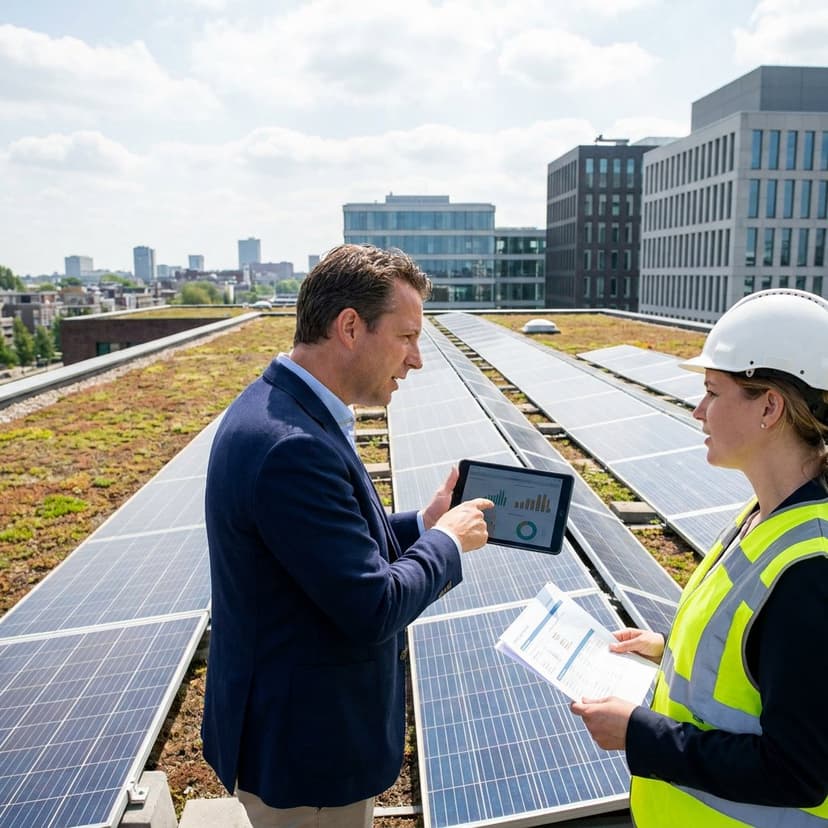
If you are comparing a solar panel inspection vs electrical inspection, the short answer is this: they are not the same, and most solar projects need both. A solar panel inspection looks at the broader PV system, including panels, mounting, layout, roof conditions, labeling, shutdown components, and overall code alignment. An electrical inspection focuses more narrowly on the electrical side, such as wiring, grounding, breaker sizing, disconnects, junction boxes, service panel capacity, busbar limits under the the 120% rule for solar, and safe interconnection.
This distinction matters whether you are a homeowner trying to understand the process, or a solar company trying to improve pre-install workflows. Knowing where the overlap ends helps you avoid permit delays, failed inspections, unexpected redesigns, and costly repeat site visits.
What is the difference between a solar panel inspection and an electrical inspection?
A solar panel inspection is a broader review of the installed solar system or proposed solar setup. It can include physical panel condition, array layout, mounting and attachment methods, access pathways, shutdown equipment, labeling, and system performance indicators. In many cases, it also touches electrical safety, but it does not stop there.
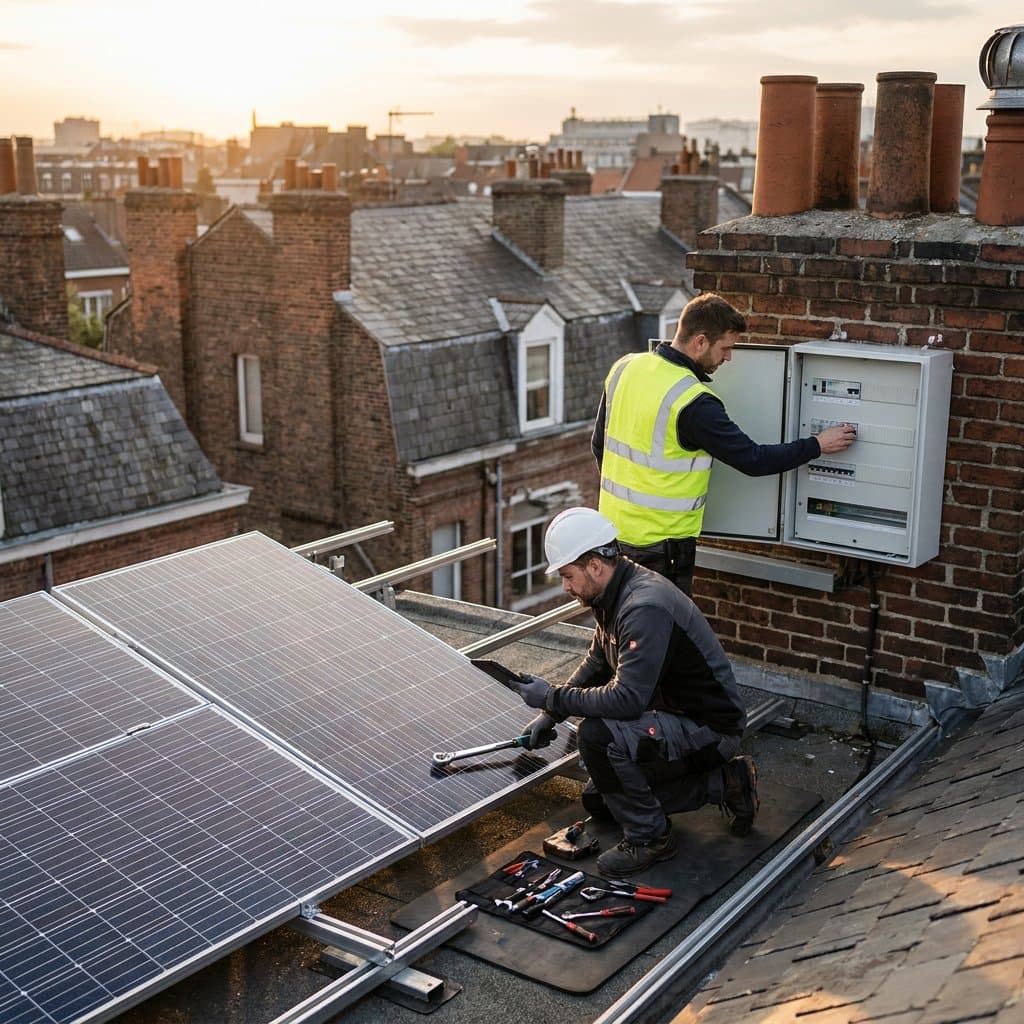
An electrical inspection is more specific. It checks whether the electrical work connected to the solar system meets code and can operate safely. That includes conductor routing, grounding and bonding, breaker sizing, disconnect placement, junction boxes, rapid shutdown equipment, service panel ratings, busbar limits, available breaker spaces, and the interconnection path to the utility or building electrical system.
In practice, electrical inspection is often one part of the wider solar inspection workflow. That is why the two terms are sometimes used loosely, even though they are not interchangeable.
Side-by-side comparison
| Area | Solar panel inspection | Electrical inspection |
|---|---|---|
| Main purpose | Verify the solar system is installed correctly, safely, and according to plans and code | Verify the electrical work is safe, code-compliant, and suitable for interconnection |
| Scope | Panels, racking, layout, roof interface, access, labeling, shutdown, electrical components, visible defects | Wiring, grounding, bonding, breakers, disconnects, conductor sizing, panel capacity, busbar, interconnection path |
| Typical focus | Whole PV system | Electrical subsystem |
| Common stakeholders | Installers, AHJs, inspectors, project managers, homeowners, developers | Electricians, AHJs, inspectors, utilities, engineers |
| When it happens | Before installation, during installation, final inspection, or during maintenance | During plan review, rough-in, final approval, upgrade review, or troubleshooting |
| Typical outcome | Pass, correction notice, redesign request, maintenance recommendation | Pass, correction notice, service upgrade requirement, interconnection issue |
For a practical, side-by-side list of what gets checked on each inspection, see our solar site inspection checklist.
What a solar panel inspection usually covers
A solar panel inspection can happen at different stages. Sometimes it refers to a permit-related final inspection. In other cases, it refers to a pre-install assessment, a maintenance inspection, or a performance check after the system is operating.
Typical items include:
- Panel placement and array layout
- Mounting hardware and attachment points
- Roof condition and structural considerations
- Setbacks, pathways, and roof access requirements
- Visible panel damage such as cracks, delamination, or hotspots
- Racking alignment and weatherproofing details
- Shutdown equipment and system labeling
- Basic review of inverters and balance-of-system components
- Verification that the installed system matches approved plans
On larger or more technical inspections, the review may also include thermal imaging, production analysis, shading impacts, and visual signs of wiring faults. That broader scope is the main reason a solar panel inspection is not limited to electrical items alone.
What an electrical inspection usually covers
An electrical inspection looks more closely at whether the solar installation is electrically safe and compliant. The focus is not on panel cleanliness, array aesthetics, or broader roof layout decisions unless they affect electrical safety or code compliance.
Typical checkpoints include:
- Conductor routing and protection
- Grounding and bonding
- Breaker sizing and overcurrent protection
- Disconnects and shutoff accessibility
- Junction boxes and enclosure integrity
- Rapid shutdown equipment
- Service panel ratings and busbar ratings
- Available breaker space and load-side connection rules
- Interconnection path from PV system to the main electrical service
- Required labels and warning placards
If there is one area where failed approvals commonly happen, it is here. Even when the array looks properly installed, a project can still fail because of undersized conductors, incorrect breaker calculations, poor grounding, incompatible service equipment, or missing labels.
When do you need one, and when do you need both?
Most permitted solar installations require both a broader solar inspection and a dedicated electrical inspection, whether those are performed separately or folded into one final approval workflow by the local authority having jurisdiction. The exact process varies by location, system size, and project type. Local criteria can differ widely—review common AHJ requirements for solar inspections to understand what your jurisdiction may expect.
You may need both for
- New residential rooftop solar
- Commercial PV installations
- Systems with main panel upgrades
- Battery storage paired with solar
- Projects requiring utility interconnection approval
- Final permit closeout before permission to operate
You may mainly need an electrical inspection for
- Service equipment upgrades
- Breaker or panel changes tied to solar
- Electrical troubleshooting after installation
- Interconnection or code correction work
You may mainly need a solar-focused inspection for
- Performance diagnostics on an operating PV system
- Physical damage checks after storms
- Array condition assessments during maintenance
- Remote pre-qualification before final engineering or field validation
In real-world projects, the line is not always clean. But if a solar project affects the building electrical system, assume the electrical inspection will be critical.
Why people confuse these two inspections
The confusion usually comes from three things. First, many local jurisdictions bundle multiple reviews into one inspection appointment. Second, the solar inspector may check electrical items during the same visit. Third, the phrase solar inspection is often used informally to describe the entire approval step, even though several disciplines may be involved.
That creates a common misunderstanding: if the panels are mounted and the inverter is on the wall, the project must be ready. In reality, the electrical side is often where corrections appear, especially around service panel limitations, breaker sizing, grounding, labeling, and disconnect placement.
What can fail in a solar panel inspection vs an electrical inspection?
Common solar inspection failures
- Array layout does not match approved plans
- Improper roof setbacks or access pathways
- Mounting or attachment issues
- Missing labels or shutdown markings
- Visible damage to modules or components
- Inaccessible equipment
- Incomplete installation at time of inspection
Common electrical inspection failures
- Incorrect breaker size
- Busbar or load-side interconnection violations
- Improper grounding or bonding
- Conductor sizing errors
- Improper disconnect installation
- Missing rapid shutdown components
- Service panel rating conflicts
- Improper labeling or placarding
- Unsafe routing or insufficient protection of wiring
If your goal is fewer callbacks and faster approvals, these are exactly the items worth validating before the inspector arrives.
How remote assessment fits into the inspection workflow
Not every inspection requires a truck roll at the earliest stage. For solar companies, a remote-first workflow can reduce wasted site visits and surface problems sooner, especially before proposal creation, design handoff, or permit submission.
That is where platforms like Enervio fit. Enervio does not position itself as an on-site inspection service. Instead, it helps solar teams collect remote property data, run 3D solar simulations, create AI-based estimates, and generate offers faster. In the context of solar panel inspection vs electrical inspection, that means you can qualify many project conditions earlier, while still leaving final field validation and code approval to licensed professionals.
Remote assessment can help identify:
- Roof geometry and usable space
- Likely array layout constraints
- Shading exposure
- Potential access limitations
- Property characteristics relevant to proposal accuracy
- Early signs that an on-site electrical review may be needed
It does not replace the final electrical inspection or any official permit inspection. It helps you enter those stages better prepared.
The typical process from assessment to final approval
- Remote site assessment or preliminary solar site survey
- System design, production estimate, and proposal creation
- Permit package and plan submission
- Installation of array, inverter, and related components
- Solar inspection and electrical inspection by the relevant authority or inspector
- Corrections if required
- Final approval and utility permission to operate, where applicable
For solar businesses, the biggest efficiency gains usually happen before step four. Better data collection early in the process reduces surprises during the official inspection stage. Understanding the order of solar installation and inspection steps can also help teams plan handoffs more effectively.
How much does a solar panel inspection cost?
The answer depends on what you mean by solar panel inspection. If you mean an official permit inspection, the cost is often wrapped into broader permit and inspection fees charged through the jurisdiction or included in the installer’s project pricing. If you mean an independent maintenance or diagnostic inspection, the cost can vary based on system size, roof access, testing depth, and whether specialized methods such as drone imaging or thermal analysis are used.
Electrical inspection costs can also vary depending on whether the project includes service panel upgrades, batteries, interconnection changes, or correction work. Because fee structures differ widely by location, it is more useful to confirm exactly what is included than to compare generic price ranges.
Do electricians know about solar panels?
Some do, but not all electricians specialize in solar. A licensed electrician may be highly qualified in general electrical systems while having limited day-to-day experience with PV-specific code requirements, interconnection rules, rapid shutdown equipment, or solar design constraints. On the other hand, many solar installers work with electricians who regularly handle PV systems and understand both standard electrical work and solar-specific requirements.
If your question is whether an electrician can perform or support the electrical side of a solar project, the answer is often yes. If your question is whether that automatically covers the full solar panel inspection scope, the answer is no. Solar projects usually require broader system awareness than electrical work alone.
What is the process of solar panel inspection?
A solar panel inspection process usually includes document review, site verification, physical inspection, electrical safety checks, and final approval or correction notes. The exact sequence depends on the project and jurisdiction, but the workflow often looks like this:
- Review approved plans and permit details
- Confirm system layout and installed equipment match the design
- Check roof attachments, pathways, setbacks, and labeling
- Inspect electrical components, disconnects, breakers, and grounding
- Verify accessibility and shutdown requirements
- Issue pass, corrections, or follow-up requirements
For operating systems, the process may also include performance testing, thermal inspection, inverter data review, and troubleshooting of visible or reported issues. Readers who want more detail on how solar panels are inspected can explore the full breakdown separately.
How to prepare for inspection without slowing down the project
If you want to reduce delays, prepare for both inspection types instead of assuming one checklist covers everything.
Before the visit, make sure you have
- Approved plans that match the installed system
- Clear access to the array, inverter, disconnects, and service equipment
- Visible labels and placards installed where required
- Completed electrical terminations and panel work
- Documentation for equipment ratings and specifications
- A final internal check on grounding, breaker sizing, and interconnection details
For solar companies, it also helps to validate early
- Roof constraints and array fit
- Service panel condition and likely capacity issues
- Whether a main panel upgrade may be required
- Interconnection assumptions used in the proposal
This is where a remote site assessment process can add real value before final field work begins.
Which inspection matters more?
Neither is more important in absolute terms. A solar panel inspection matters because it checks whether the full PV system is installed in a safe, functional, and code-aligned way. An electrical inspection matters because unsafe or non-compliant electrical work can stop approval even if everything else looks correct.
If you are asking which one causes more project friction, the electrical inspection often carries the higher risk of corrections because service equipment, interconnection rules, and code calculations leave less room for error. If you are asking which one gives a fuller picture of project quality, the solar panel inspection is broader.
FAQ
Is a solar inspection the same as a home electrical inspection?
No. A home electrical inspection may review the property’s electrical system more generally, while a solar inspection focuses on the PV installation and its related safety, structural, and code requirements. A solar project may involve both.
Can a solar project pass a solar inspection but fail an electrical inspection?
Yes. A system can appear physically well installed yet still fail because of breaker sizing, grounding, labeling, conductor routing, service panel limits, or disconnect issues.
Does every solar installation need an electrical inspection?
Most permitted grid-connected installations do, but local rules vary. The best assumption is that if the system connects to the building electrical service, the electrical inspection is a key part of approval.
Are maintenance inspections different from permit inspections?
Yes. Maintenance inspections usually focus on condition, safety, and performance of an existing system. Permit inspections focus on approval of installed work against plans and code.
Can remote assessment replace an on-site inspection?
No. Remote assessment helps with early qualification, planning, simulation, and proposal accuracy. It does not replace official inspections or licensed field validation where required.
What should solar companies check before creating a proposal?
At minimum, validate roof suitability, usable area, likely shading, access constraints, and any clues that the service panel or interconnection may create design limits later in the process.
Choose the right workflow, not just the right term
Understanding solar panel inspection vs electrical inspection is really about understanding scope. A solar panel inspection looks at the system as a whole. An electrical inspection focuses on the electrical safety and code side of that system. Most real projects need both viewpoints, even if the steps are grouped together by the local authority.
For solar businesses, the smartest move is to catch issues before the official inspection phase. With a remote-first workflow, stronger property data, and better pre-assessment, you can reduce design errors, limit unnecessary site visits, and move faster from lead to proposal while still leaving final approval to the right licensed professionals. Depending on the project, it can also help to understand who performs solar inspections and confirm key concepts like NEC 690 and the 125% rule before submission.