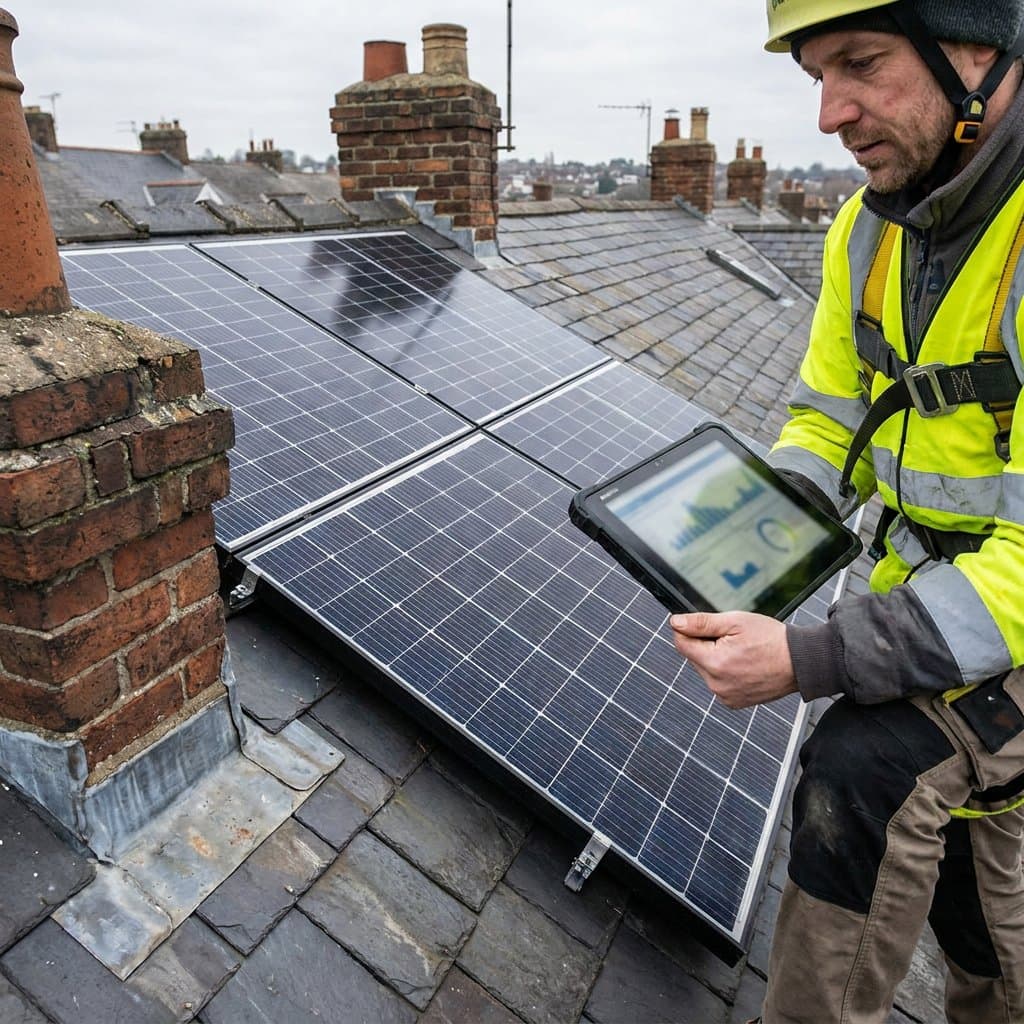
Solar Panel Inspection Frequency
If you want a practical answer, most solar systems should have a visual and performance-focused inspection at least once a year, with extra checks after severe weather, unexplained production loss, or major electrical events. That said, the right solar panel inspection frequency depends on system size, age, location, mounting type, and risk profile. A home rooftop array does not need the same schedule as a commercial rooftop portfolio or a utility-scale solar farm.
The biggest mistake is treating every system the same. Some sites can run reliably with annual inspections plus monitoring-based triggers. Others need semiannual or quarterly reviews because the financial downside of undetected faults is much higher. If you manage solar projects, the goal is not to inspect more often than necessary. It is to inspect often enough to catch degradation, safety issues, weather damage, and underperformance before they become expensive.
How often should solar panels be inspected?
A good baseline for solar PV inspection frequency looks like this:
- Residential rooftop systems – at least once per year
- Commercial solar systems – once or twice per year
- Utility-scale and high-risk sites – quarterly to semiannual, plus event-driven inspections
- Newly commissioned systems – an initial post-installation inspection, then another review within the first 3 to 6 months if performance validation matters
This is the short answer behind the search intent for how often solar panels should be inspected. The longer answer is that frequency should match the consequences of failure. A small residential setup with strong monitoring and low exposure may only need annual inspection. A large commercial array with complex electrical infrastructure, insurance requirements, and tighter uptime expectations often needs a more structured solar inspection schedule. For a foundational overview of inspection types and timing, see Solar site inspections 101.
What affects the right solar inspection schedule?
No single interval works for every site. Inspection frequency should be based on a few operational factors that directly affect failure risk, access, and financial impact.
System age
Older systems usually need more attention than newer ones. Over time, connectors, wiring, mounting hardware, seals, and inverters face more wear. Module degradation is normal, but aging components can also increase the chance of hotspots, insulation issues, loose terminations, or production drift. If your array is several years old and has not had a structured review, moving from ad hoc checks to an annual or semiannual schedule is often a smart step.
System size and complexity
The larger the system, the more potential failure points it has. A residential array may involve a limited number of modules and one inverter. A commercial site can include many strings, combiners, multiple inverters, larger disconnects, and more complicated roof or ground-mount layouts. As system complexity rises, so does the need for a more disciplined inspection cadence.
Environmental exposure
Sites exposed to hail, snow load, coastal salt, dust, heat, humidity, flooding, or high winds should be inspected more often. Environmental stress increases both physical and electrical risk. A system in a mild climate with minimal debris exposure may remain stable on an annual schedule. A system in a harsher environment may need semiannual checks and mandatory post-storm inspections.
Mounting type
Ground-mount systems, rooftop systems, canopies, and floating solar all create different maintenance realities. Rooftop systems may have access limitations and heightened fire-safety concerns. Ground-mount arrays may face vegetation, soil movement, or tracker issues. Floating systems add moisture exposure and more difficult access. The harder a system is to access or the more moving parts it has, the more valuable regular inspections become.
Performance trends
Monitoring data should help decide when a scheduled inspection is enough and when you need an immediate one. If production drops unexpectedly, inverter alerts increase, or one section underperforms relative to comparable strings, waiting for the next routine inspection is often the wrong call. A modern solar panel maintenance schedule should always combine calendar-based reviews with performance-based triggers.
Recommended inspection frequency by system type
Residential solar systems
For most homes, an annual inspection is a reasonable standard. This usually includes a visual review of the modules, racking, visible wiring, roof penetrations where relevant, inverter status, and performance trends from monitoring software. You may also need an additional inspection after hail, strong wind, roof work, pest activity, or a noticeable drop in output.
If your home system is older, located in a harsh climate, or has shown repeated inverter or production issues, a semiannual schedule can make sense. Still, most homeowners do not need quarterly inspections unless there is an ongoing problem or a special risk factor.
Commercial solar systems
Commercial sites often need more than a once-a-year check. Semiannual inspections are common because the stakes are higher: larger asset value, greater safety exposure, more electrical components, and tighter financial expectations around uptime. In many cases, one annual inspection may be enough for compliance and baseline condition checks, while a second inspection supports performance optimization and seasonal issue detection.
Commercial operators should also account for internal risk tolerance, insurer expectations, and contract obligations. If a site supports critical business operations or carries a meaningful production target, more frequent inspections are usually justified.
Utility-scale solar farms
Utility-scale assets often operate on quarterly, semiannual, or event-driven programs rather than simple annual checks. The reason is straightforward: a small issue multiplied across a large field can create major revenue loss. These sites also tend to have broader environmental exposure, more complex infrastructure, and stricter operational oversight.
For large sites, inspection frequency usually combines:
- Routine scheduled reviews
- Drone or thermal scans at defined intervals
- Reactive inspections after alarms or underperformance
- Post-weather assessments after hail, wind, flooding, or wildfire exposure
When should solar panels be inspected immediately?
Even the best annual or semiannual plan is not enough on its own. Some conditions call for an immediate inspection rather than waiting for the next scheduled visit.
- Production drops more than expected for the season or weather conditions
- Monitoring shows repeated string or inverter faults
- You notice visible damage, cracked glass, burn marks, corrosion, or loose hardware
- The site has been exposed to hail, heavy wind, flooding, lightning, or extreme snow load
- There is evidence of water intrusion, pest damage, or unusual heat signatures
- Recent roof work, electrical work, or nearby construction may have affected the array
A common practical benchmark is this: if output drops materially compared with normal operating conditions and no obvious weather explanation exists, schedule an inspection. Many operators use a threshold such as a 10% or greater unexplained performance decline as a trigger for deeper review.
How weather changes solar panel inspection frequency
Weather is one of the strongest reasons to adjust your solar panel inspection schedule. Calendar-based frequency gives structure, but climate and extreme events determine real-world urgency.
After storms and extreme events
Severe weather should trigger an additional inspection even if your routine review happened recently. High winds can shift mounting hardware, hail can crack modules, lightning can affect electrical components, and flooding can create hidden corrosion or grounding concerns. In these cases, waiting months for the next annual visit creates unnecessary risk.
Seasonal timing
Many operators prefer inspections in spring and fall. A spring review can identify winter damage, debris buildup, or snow-related stress before peak production months. A fall inspection helps prepare the system for colder weather and can reveal heat-related wear from summer operation. This seasonal rhythm is especially useful for commercial and utility sites.
Regional conditions
Different climates create different inspection needs:
- Coastal locations – more corrosion risk from salt exposure
- Desert or dusty regions – more soiling and heat stress
- Snow-heavy areas – greater structural and moisture concerns
- Hurricane or tornado zones – stronger need for post-event inspections
- Hot and humid climates – faster wear on electrical components and seals
What a solar panel inspection usually includes
Understanding the scope of an inspection helps explain why frequency matters. A useful solar inspection is not just a quick glance at the panels. It typically combines visual, electrical, and performance-based checks. For a structured run-through, use a solar inspection checklist.
Visual inspection
This part looks for obvious physical issues such as cracked glass, delamination, discoloration, loose clamps, corrosion, damaged wiring, debris accumulation, shading changes, and signs of water or pest intrusion. For rooftop systems, inspectors may also review access conditions and surrounding roof context where relevant.
Electrical checks
Depending on the site and inspection goal, this may include testing of voltage, current, insulation resistance, grounding continuity, disconnects, breakers, and inverter operation. Electrical testing is often especially important for older systems, systems with known performance issues, or assets being reviewed for compliance and safety.
Thermal inspection
Infrared or drone-based thermal imaging can reveal hotspots, failing connections, abnormal heating, diode problems, and other faults that may not be visible to the eye. This method is particularly valuable for larger commercial and utility-scale arrays where manual coverage is slower and more expensive.
Performance analysis
Inspection should also include review of production trends, inverter data, string-level anomalies where available, and comparison against expected output. A panel may look fine visually but still underperform. That is why monitoring data is a critical part of deciding how often solar panels should be inspected. For a step-by-step view of the process, see how solar panels are inspected.
Commissioning and first-year inspection frequency
New systems deserve their own schedule. A newly installed array should be inspected as part of post-installation verification and, where applicable, before permission to operate or similar approval milestones. The purpose is to confirm that the system was installed correctly, functions as designed, and has no hidden defects that will affect early performance.
For the first year, many operators benefit from a tighter review cycle than they use later. A follow-up inspection within 3 to 6 months can help validate baseline performance, identify installation-related issues early, and create a clean reference point for future maintenance. This is especially useful for commercial projects and portfolios where even minor defects can scale into larger losses.
Compliance inspections vs performance inspections
Not every inspection serves the same purpose, and this matters when setting frequency.
Compliance-focused inspections
These are tied to codes, safety requirements, insurers, authorities having jurisdiction, or permission to operate. Their timing is often defined by regulation, commissioning milestones, or formal risk management processes rather than by day-to-day performance concerns. Local rules and authorities having jurisdiction can dictate required inspection intervals; see AHJ requirements for solar inspections.
Performance and O&M inspections
These aim to keep the system operating efficiently, identify degradation early, and reduce unplanned downtime. Their frequency should be based on asset criticality, environmental stress, monitoring quality, and the cost of missed faults. For many operators, this is where annual, semiannual, or quarterly inspection planning becomes most important.
Who inspects solar panels?
The answer depends on the type of inspection. Basic visual checks may be handled by trained site staff or maintenance teams. More technical inspections are usually performed by qualified solar technicians, licensed electricians where required, or specialized inspection providers using electrical test equipment, thermal imaging, or drones. For compliance-related inspections, local authorities or approved third parties may also be involved depending on the jurisdiction.
If your question is really who typically performs solar inspections, the practical answer is this: use personnel whose qualifications match the risk. A large commercial rooftop or utility site should not rely on informal walk-throughs alone when electrical safety, insurance, and revenue performance are all on the line.
A practical solar panel inspection frequency table
| System type | Baseline frequency | Extra trigger inspections |
|---|---|---|
| Residential rooftop | Annually | After storms, roof work, alerts, or unexplained output loss |
| Commercial rooftop | Annually to semiannually | After weather events, repeated inverter faults, or performance decline |
| Ground-mount commercial | Semiannually | After erosion, flooding, tracker issues, or production anomalies |
| Utility-scale solar farm | Quarterly to semiannually | After storms, thermal anomalies, string losses, or equipment alarms |
| Newly commissioned system | At commissioning and again in 3 to 6 months | Any sign of early underperformance or installation defects |
How remote assessment helps you plan inspections better
Inspection frequency should not be set blindly. Better planning starts before the truck rolls. For solar businesses, remote-first tools can help you understand site conditions, property characteristics, shading patterns, roof complexity, and project constraints before installation and before a field inspection is scheduled.
That is where Enervio fits into the workflow. Enervio is not an on-site inspection provider. Instead, it helps solar teams prepare for inspections and site surveys more efficiently through remote property data collection, 3D property previews, sun and shade analysis, solar simulation, and faster proposal workflows. That kind of upfront clarity can reduce unnecessary site visits, lower the chance of redesigns, and make it easier to prioritize which projects need closer field validation.
In practice, this means you can use remote assessment to:
- Identify properties that may require more careful inspection planning
- Spot roof or layout complexity before sending teams on site
- Improve pre-installation documentation and reduce surprises
- Support more consistent handoff between sales, design, and operations
- Decide where a physical inspection is essential and where a remote review is enough for the current stage
Remote preparation does not replace every physical inspection, especially for electrical safety and fault diagnosis. But it can make your inspection program smarter, faster, and more cost-efficient.
How to set the right inspection frequency for your site
If you are trying to build a useful policy instead of guessing, use a simple framework:
- Start with a baseline annual inspection for all active systems.
- Increase frequency for older, larger, harsher, or harder-to-access sites.
- Add mandatory event-driven inspections after storms and major performance anomalies.
- Use monitoring data to trigger investigations between scheduled reviews.
- Separate compliance deadlines from performance optimization needs.
- Review the schedule yearly based on findings, fault history, and asset value.
This approach gives you a practical answer to solar panel inspection frequency without overcomplicating the process. You avoid both extremes: inspecting too rarely and missing costly issues, or inspecting too often without clear value.
FAQs about solar panel inspection frequency
How often should solar panels be inspected at home?
For most homes, once a year is enough, with extra inspections after severe weather, roof repairs, pest activity, or unexplained drops in production.
Do commercial solar systems need more frequent inspections?
Yes. Commercial systems usually have more components, greater financial exposure, and stricter uptime expectations, so annual to semiannual inspections are common.
Should solar panels be inspected after a storm?
Yes. Hail, strong wind, lightning, flooding, and heavy snow can damage panels, wiring, mounting hardware, or grounding systems even when damage is not obvious from the ground.
What is the best solar panel maintenance schedule?
A strong schedule combines annual routine inspections with monitoring-based triggers and event-driven checks after severe weather or unusual performance changes.
Can monitoring replace physical inspections?
No. Monitoring is excellent for spotting output issues and system alerts, but it cannot fully replace visual, thermal, or electrical checks when safety or fault diagnosis is involved.
Are drone inspections required?
No, but they are often valuable for large commercial and utility-scale systems because they can cover more area quickly and identify thermal anomalies that are hard to find manually.
How often should a new solar system be inspected?
A new system should be checked at commissioning or post-installation, with a follow-up review in the first 3 to 6 months if you want to validate baseline performance and catch early defects.
Who inspects solar panels for compliance?
That depends on local rules. It may involve licensed professionals, third-party inspectors, insurers, or authorities having jurisdiction before permission to operate is granted.


