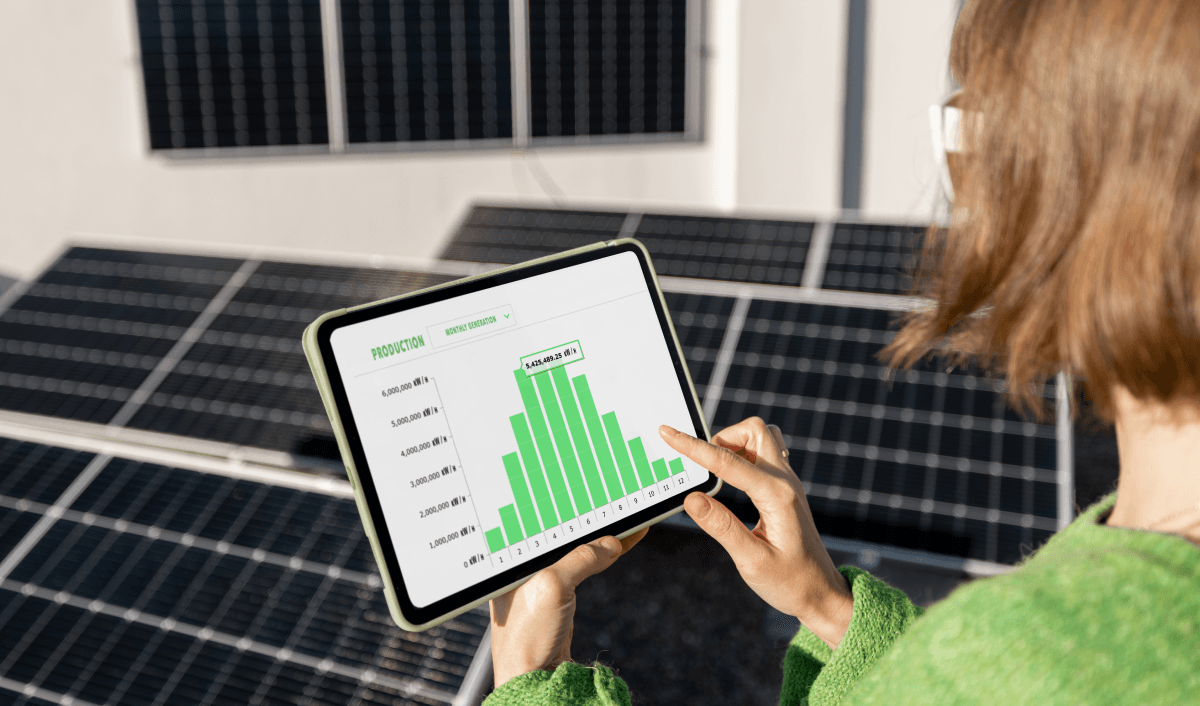
If your team still spends hours turning site data into a proposal, you are losing margin and momentum. The right solar proposal software turns a street address and a recent bill into an accurate, branded offer your customer can understand and sign on the spot. This guide breaks down what a solar proposal tool should do, how to evaluate options for residential and commercial workflows, and where AI now fits to help you quote in minutes instead of days.
What is solar proposal software?
Solar proposal software is a sales-first application that converts site context, usage data, and system design into a customer-ready offer. Unlike pure design tools, a solar sales proposal software pairs technical accuracy with interactive pricing, financing comparisons, contract generation, and e-signature. Modern platforms can perform remote assessments, recommend component layouts, simulate production, and present the financial story in plain language. For technical context you can reuse in proposals, see Guide to understanding solar panel efficiency in 2025. For commercial projects, they add multi-meter handling, RFP packaging, and stakeholder-ready documentation. The goal is simple: shorten the cycle from first conversation to signed contract while maintaining permitting-grade accuracy.
Must-have capabilities in a solar proposal tool
Accurate remote site design without a truck roll
Speed only helps if your system is right. Look for tools that generate roof geometry and shade models from high resolution imagery, LiDAR where available, and reliable weather data. Automated layout suggestions, rapid 3D previews, and loss factors help you validate production quickly. Remote workflows cut travel costs and let reps qualify and quote same day. For commercial solar proposal software, ensure support for complex roofs, setbacks, and array segmentation so the proposal lines up with eventual plan sets. To quantify the hidden costs of field visits, read How much does a simple solar site visit really cost?
Personalized proposals that convert
Winning proposals are visual, transparent, and on-brand. Make sure you can add your logo, colors, and configurable narratives that explain value in clear terms. Interactive toggles for system size, equipment choices, and warranty options help customers participate in the decision. Embedded e-signature, contract templating, and automated approvals remove friction at the moment of intent. When the proposal engine can adapt to utility tariffs and incentive rules by region, you avoid rework and keep confidence high at the kitchen table or boardroom.
Financing, payments, and compliant documents
Customers decide with their wallets, so financing must be native. Choose software that supports cash, loan, lease, and PPA with side-by-side comparisons and real APRs. Provider integrations reduce manual entry and present live eligibility, dealer fees, and payment schedules. Clear savings projections, tax credit handling, and degradation assumptions should be visible and editable. For commercial deals, ensure support for blended rates, demand charges, and custom escalators. One-click e-payments or deposit requests immediately after signature help lock the deal and reduce no-shows.
CRM, automation, and handoffs
Proposals do not live in a vacuum. A strong platform captures leads on your website, enriches them, and routes tasks to sales. Built-in CRM or tight integrations should sync contacts, stages, notes, and documents, with audit trails for compliance. Automations that trigger reminders, follow-ups, and status updates reduce manual busywork. After signature, seamless handoff to design teams, permitting services, or plan-set generation keeps momentum without duplicate data entry, so your close date and install date move closer together.
Popular solar proposal tools to consider
The market includes end-to-end platforms and point solutions. Aurora Solar is widely used for remote design and proposals with strong accuracy features. OpenSolar offers free solar proposal software with robust templates and optional paid add-ons. HelioScope and PVsyst are trusted for engineering-grade modeling that can feed sales outputs. Solargraf and Pylon emphasize fast residential quoting and team workflows. PVcase and PV*SOL serve more advanced design needs that can complement proposal flows. Solo Solar software, often referenced as Solo or the Solo solar proposal tool, focuses on rapid consumer-friendly proposals and financing. Each option balances depth, speed, and price differently, so map capabilities to your process before you commit. For a structured, side-by-side breakdown, see Feature-by-feature comparison of Enervio vs other solar proposal tools.
At Enervio, we take an AI-first approach for teams that want to quote in minutes. You can capture property details remotely, deploy personalized AI educational agents that answer prospect questions 24-7, and generate one-click proposals with on-brand content. For commercial pursuits, you can assemble RFPs with 3D visualizations of the facility to align stakeholders early. Plans are designed to scale with you, from growth-focused teams to enterprise operations.
FAQs
What is the best solar proposal software?
The best choice depends on your workflow, markets, and team size. If you want integrated remote design plus proposals, consider Aurora Solar or Enervio. If you prefer a free solar proposal software model, OpenSolar may fit. For engineering-heavy teams that still need sales outputs, HelioScope or PVsyst can pair with lightweight proposal layers. Map needs to features before deciding.
Is there free solar proposal software?
Yes. OpenSolar is a well known free option with paid add-ons such as imagery and services. Free plans can be a good start, but factor in imagery costs, financing integrations, and the time your team spends stitching tools together. The true cost is the total time to a signed contract and the accuracy you maintain along the way.
How accurate are remote solar proposals?
Accuracy depends on imagery quality, roof modeling, shade analysis, component libraries, and weather data. Many platforms achieve permit-ready consistency when inputs are validated. Always check local code constraints, setbacks, and utility tariffs, and verify production assumptions before contract to avoid change orders. If a site walk is required, see Solar site inspections: 101 guide for a practical checklist.
What is Solo solar proposal software?
Solo, often searched as Solo solar software or Solo solar proposal software, is a proposal-focused platform aimed at fast, consumer-friendly quotes with integrated financing. It is one of several options alongside Aurora, OpenSolar, Solargraf, Pylon, and Enervio. Evaluate features, pricing, and integrations relative to your team’s process.
How do residential and commercial proposal needs differ?
Residential proposals emphasize speed, financing comparisons, and clear storytelling. Commercial solar proposal software must handle complex tariffs, multi-meter loads, stakeholder packs, and RFP-ready documents. Choose a platform that supports both if you sell across segments, or specialize to optimize throughput.
Ready to cut quoting time from 24 hours to 5 minutes without site visits? Explore Enervio’s AI-driven platform and pricing to accelerate your pipeline and convert more customers. Create your Enervio account.


