Where Not to Place Solar Panels
Solar panels do not fail because solar is a bad technology. They usually underperform because they are placed in the wrong spot, on the wrong roof area, or without enough attention to shade, setbacks, structural limits, and site constraints. If you want to know where should you not place solar panels, the short answer is this: avoid locations with persistent shade, weak or aging roof sections, code-restricted roof zones, awkward orientations, and surfaces crowded by obstructions.
For homeowners, this helps you avoid expensive design mistakes. For solar sales and design teams, it helps you qualify roofs faster and reduce redesigns later. The key is not just finding space for panels, but finding space that is buildable, code-compliant, and productive over time.
Places you should avoid for solar panel placement
The worst location for solar panels is any area that looks usable at first glance but creates production, safety, or permitting problems later. In practice, that usually means roof planes with too much shade, surfaces blocked by vents or skylights, areas too close to ridges or edges, and old roof sections that may need replacement before installation. Ground locations can also be poor choices if they are shaded, unstable, flood-prone, or far from the electrical connection point.
A useful rule is this: a panel location is not good just because sunlight hits it for part of the day. It also needs enough clear area, safe access, acceptable structural support, and a layout that works with local code and utility requirements. If one of those factors fails, that spot may be a bad place to install solar even if it looks sunny.
Do not place solar panels in heavily shaded areas
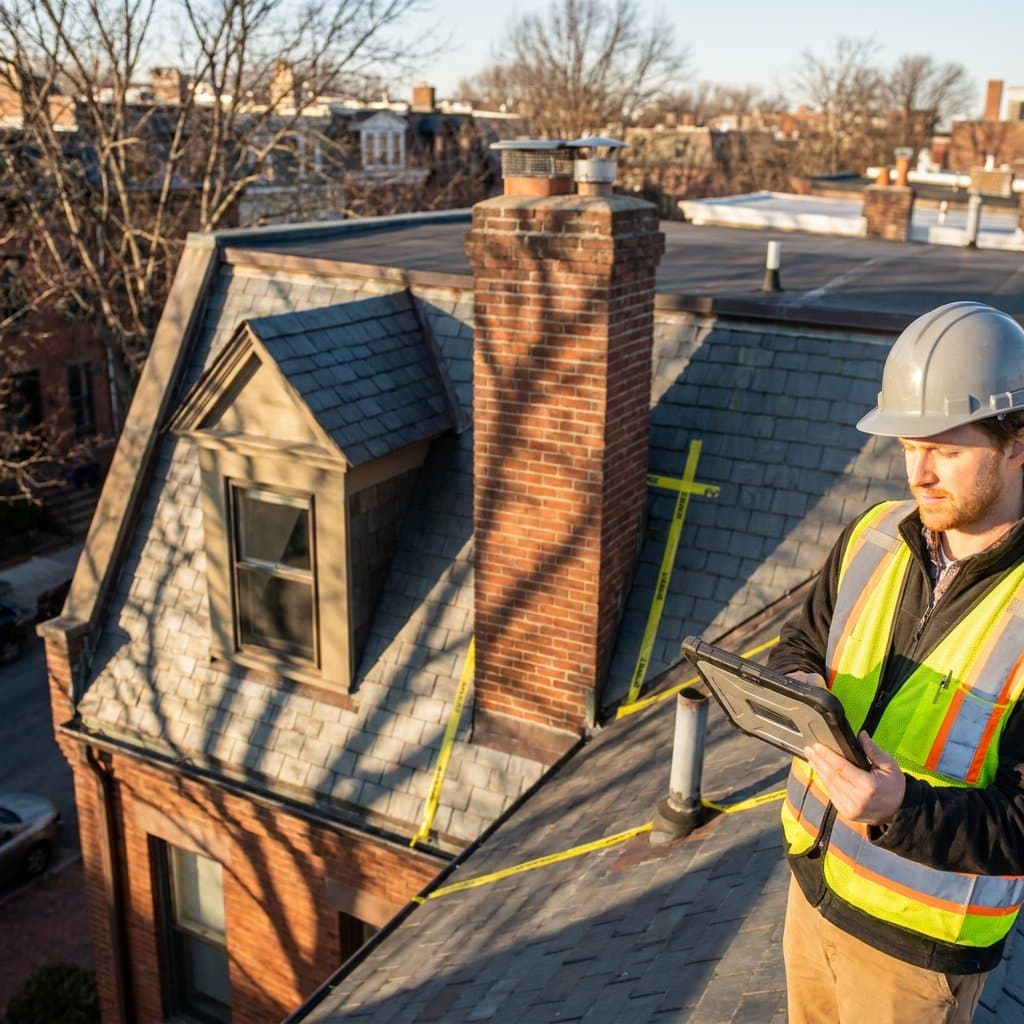
Shade is one of the clearest reasons to reject a panel location. Trees, neighboring buildings, chimneys, dormers, parapets, and rooftop equipment can all reduce solar production. Even partial shade matters because it can drag down the output of affected modules and weaken the economics of the whole system.
Morning shade and afternoon shade are not equal on every project, but both should be analyzed. A roof plane may look fine during a quick site visit and still have major seasonal shading when the sun angle changes. This is why strong layout work usually includes sun and shade modeling rather than relying on visual judgment alone. For a step-by-step approach, see sun and shadow analysis for site surveys.
Common shade sources that make a solar location unsuitable
- Tall trees close to the home
- Neighboring homes or multi-story buildings
- Chimneys and vent stacks
- Dormers and roof pop-outs
- HVAC units and rooftop mechanical equipment
- Parapet walls and other raised roof features
If a layout requires you to squeeze modules around multiple shade sources, that roof area is often a poor candidate for efficient solar placement. It also helps to assess persistent shade—start with is my house too shady for solar before moving forward with design decisions.
Avoid old, damaged, or structurally weak roof sections
One of the most overlooked answers to where should solar panels not be placed is on a roof that is nearing the end of its life. Installing on an old roof can force panel removal and reinstallation when reroofing becomes necessary, which adds avoidable cost and complexity. If there are signs of sagging, water damage, soft decking, or known structural concerns, that roof area should be treated with caution.
Roof condition matters just as much as sunlight. A productive layout on a failing surface is still a bad installation decision. Weak sections may not be suitable for mounting loads, foot traffic during installation, or long-term system reliability.
Warning signs that a roof area may be a bad fit
- Roof is close to replacement age
- Visible curling, cracking, or missing roofing materials
- Signs of leaks, rot, or interior moisture damage
- Uneven roof lines or sagging
- Unknown framing condition or limited load confidence
If those issues exist, it is usually smarter to address the roof first and confirm it by reviewing how to know if your roof is strong enough for solar before placing panels later.
Do not place solar panels in code setback zones or access pathways
Not every open section of roof is legally available for solar. Fire code, local building rules, and AHJ-specific interpretations can require clear access pathways and setbacks around arrays. That means some of the roof space that appears usable on imagery or from the street is actually off-limits.
This is one of the biggest reasons proposed layouts change after review. A design may fit physically, but not compliantly. Areas near ridges, hips, valleys, roof edges, skylights, hatches, and emergency egress features often require spacing that limits or blocks module placement.
Roof features that often restrict panel placement
- Ridges and hips
- Valleys
- Skylights
- Roof hatches
- Emergency egress openings
- Chimneys and vent clearances
- Fire access pathways
For solar companies, this is where remote property analysis and 3D layout tools add real value. They help identify where not to place solar panels before a proposal turns into a redesign, especially when accounting for roof setbacks for solar panels. Related code guidance such as the 36-inch solar rule also clarifies required fire access pathways that restrict module placement.
Avoid roof planes with poor orientation or limited solar access
Not every side of the house is equally useful for solar. Many people ask which side of the house should solar panels be on. In the U.S., south-facing roof planes generally deliver the strongest production, while east- and west-facing planes can still work well depending on utility rates, usage patterns, and roof geometry. North-facing sections are more likely to be weak candidates, especially when pitch and shading already work against them.
This does not mean every north-facing roof must be rejected, but it should be modeled carefully. Low solar access, awkward tilt, and partial obstructions can turn a technically installable surface into a poor financial decision. It is worth understanding the best roof pitch and orientation for solar before finalizing placement.
| Roof condition | Placement risk | Why it may be a bad choice |
|---|---|---|
| North-facing with shade | High | Lower annual production and weaker payback |
| East-facing with clear sun | Moderate | Can work, but may produce less than south-facing |
| West-facing with clear sun | Moderate | Often viable, but depends on design goals and utility structure |
| South-facing with minimal obstructions | Low | Usually the strongest roof candidate |
Do not place solar panels on crowded roof areas
A roof can be sunny and still be a poor place for solar if the usable area is broken up by too many obstacles. Tight roof planes with vents, dormers, skylights, plumbing stacks, and HVAC equipment make layout inefficient. They can reduce module count, create awkward wiring routes, complicate fire access, and increase labor.
In some cases, a roof has enough total square footage but not enough clean, continuous square footage. That difference matters. Solar works best when designers can place modules in organized groups with sensible spacing, not when they are forced into fragmented leftovers between obstacles.
If a layout becomes a patchwork of small panel clusters, that roof plane may not be worth using.
Avoid ground locations with unstable conditions or poor site access
Ground-mounted solar can be an excellent alternative when the roof is unsuitable, but not every yard or parcel is a good location. Avoid placing solar panels in low-lying wet areas, on unstable slopes, in flood-prone sections, or anywhere with heavy shading through the year. Rocky ground, difficult trenching conditions, and long distances to the interconnection point can also make a ground mount less practical.
Ground arrays also need protection from future obstruction. A clear area today may be shaded later by vegetation growth or nearby development. If maintenance access is poor or the site invites damage from vehicles, livestock, or debris, it may not be the right place for solar.
Do not place solar panels where local rules or HOA restrictions create conflicts
Some projects fail not because the roof is bad, but because the placement conflicts with local rules, neighborhood restrictions, or aesthetic requirements. HOA rules may limit visibility from the street, control where panels can face, or require design approval before installation. Local overlays, fire rules, and permitting requirements can also reduce the practical placement area.
This is especially important for design and sales teams. A roof plane that looks ideal from a production standpoint may still be a bad recommendation if it triggers approval delays or redesign. The earlier these limits are identified, the easier it is to build a realistic proposal.
What is the 33% rule in solar panels?
People searching for bad placement sometimes also ask about the 33% rule in solar panels. That phrase does not refer to one universal solar rule used everywhere. In practice, percentages like this are often tied to utility programs, interconnection limits, design assumptions, or local policy language rather than a single national placement standard.
If someone mentions a 33% rule on your project, do not assume it decides where panels can go. Placement is usually driven by solar access, structural factors, setbacks, roof geometry, and code compliance. Always verify what that percentage refers to in your utility territory or permit context before using it in design decisions.
Why are people getting rid of solar panels?
When people ask why are people getting rid of solar panels, the cause is often not the panel technology itself. More often, the issue is poor fit: panels were placed on a roof with too much shade, on a roof that later needed replacement, or on a layout that did not match the homeowner’s expectations for savings or backup power.
Another common reason is that people expected solar alone to provide electricity during a blackout. Standard grid-tied systems typically shut off during outages unless they are paired with the right battery and backup configuration. That is a system design expectation issue, not simply a placement issue, but it still affects whether the installation feels successful.
How to evaluate where solar panels should not go
The best way to avoid bad placement is to evaluate the site before finalizing module layout. For homeowners, that means asking more than “Will panels fit here?” For solar professionals, it means checking whether a location is productive, compliant, and practical to build.
Key checks before approving a panel location
- Measure shade across seasons, not just at one moment
- Verify roof age and structural condition
- Map setbacks and required access paths
- Identify obstructions such as vents, skylights, and chimneys
- Check orientation, tilt, and likely annual production
- Review HOA and local permitting constraints
- Confirm that the remaining usable area supports a sensible layout
This is where modern solar workflows help. Remote property insights, aerial data, LiDAR-informed modeling, and 3D solar simulations make it easier to spot non-viable roof zones early and avoid quoting systems on areas that should never have been proposed.
FAQ
Where should you not place solar panels?
You should not place solar panels in heavily shaded areas, on old or damaged roof sections, inside required setback zones, near major obstructions, or on roof planes with poor solar access and limited usable space.
Which side of the house should solar panels be on?
In most U.S. cases, the south-facing side is best for production. East- and west-facing roofs can still work well. North-facing roof planes are more likely to be poor candidates, especially if shade or steep pitch is also a factor.
Can you put solar panels next to skylights or chimneys?
Sometimes, but only if spacing, access, and code requirements allow it. In many cases, skylights, chimneys, vents, and similar obstacles reduce the usable layout area enough that the surrounding section becomes a poor place for panels.
Is a shaded roof always a bad roof for solar?
Not always, but significant or persistent shade is a strong warning sign. A partially shaded roof may still support solar on a different roof plane, or it may require a smaller system. The final answer depends on modeled production, not guesswork.
Can solar panels be placed on an old roof?
They can, but it is often a bad idea. If the roof will need replacement within the system life, the panels may need to be removed and reinstalled later. That usually makes the original placement decision less cost-effective.
Are ground-mounted solar panels better if the roof is unsuitable?
Often yes. Ground mounts can work well when roof space is shaded, crowded, or structurally limited. But the ground location still needs good sun exposure, stable conditions, and practical access to the electrical system.


