If you want a clear, step by step solar installation path, start here. This guide walks you through the 8 core steps to install solar panels, shows what changes for on grid vs off grid systems, and helps you choose financing with confidence. You will also learn where AI tools like Enervio speed up quoting, education and permitting prep.
Is solar right for your property?
Before any design or quote, confirm your site can host a safe, productive system. A quick self-check helps you avoid delays and overpriced systems.
- Roof condition and structure – Newer, watertight roofs are best. If your roof needs replacement within 5 to 10 years, do that first or plan an integrated project.
- Orientation and tilt – South-facing roofs in the Northern Hemisphere capture the most sun. East or west can still work with slightly larger arrays. Typical tilts of 15 to 40 degrees perform well.
- Shading – Trees, chimneys and nearby buildings reduce output. Use satellite tools or a shade analysis to estimate annual shading. Microinverters or optimizers help mitigate partial shade.
- Available area – A typical 6 to 10 kW home system may need 300 to 500 square feet of usable roof. Flush mounting around vents and skylights preserves roof access and fire setbacks.
- Electrical capacity – Check the main service panel rating and breaker space. Interconnection often requires a dedicated backfeed breaker or a line-side tap.
- Energy use and goals – Gather 12 months of utility bills to right-size the system. Efficiency upgrades can reduce the array size and cost.
- Local rules and incentives – Some areas require specific roof setbacks, wind ratings, or historic approvals. Federal tax credits and local rebates can significantly cut net cost.
- Alternatives – If your roof is unsuitable or you rent, look at community solar to still benefit from solar savings.
Modern sales platforms such as Enervio can pre-qualify properties remotely by pulling roof geometry, shade estimates and building data without a site visit. That means you get accurate early insights and a faster, more reliable quote.
The basics to know before you install
Residential solar systems convert sunlight into electricity via PV modules, then route power through inverters and safety equipment to your home and the grid. On grid systems connect to the utility for export and import. Off grid systems rely on batteries and generators for autonomy. Storage can be added to either design for backup and time-of-use savings. Your installer must follow electrical codes, racking standards and local permitting rules. Understanding these basics helps you evaluate bids and timelines.
On grid vs off grid at a glance
| Aspect | On-grid solar system installation guide | Off-grid solar system installation guide |
|---|---|---|
| Core goal | Lower bills and export excess to the grid | Full autonomy where the grid is unavailable or unreliable |
| Key components | Panels, inverter, meter, disconnects, mounting | Panels, charge controller, batteries, inverter, mounting |
| Step differences | Utility interconnection and PTO are essential steps | Battery sizing, charge control, and generator integration are essential steps |
The 8 solar installation steps
1) Remote assessment and preliminary design
A designer evaluates roof layout, shading and your energy use to estimate system size and yield. With tools like Enervio, you can capture property attributes remotely and generate a personalized concept design quickly. To make better panel choices during the design phase, see the solar panel efficiency guide.
2) Site survey and engineering
A technician confirms measurements, roof condition, structural details and electrical panel capacity. Engineers finalize the plans, including mounting points, wire runs and safety equipment. For budgeting context at this stage, review the cost of a solar site visit.
3) Proposal, financing and contract
You receive a detailed quote with equipment, production estimate, warranty terms and price. Choose how to pay, review performance assumptions and sign. AI-driven platforms can build one-click proposals and education to speed your decision.
4) Permitting and approvals
Your installer prepares permit sets for the Authority Having Jurisdiction and applies for utility interconnection. Some utilities require additional studies. Expect reviews to take from days to several weeks depending on location.
5) Equipment ordering and scheduling
Once permits are in motion, the installer orders racking, inverters, modules and storage if applicable. You get an installation date that coordinates crew availability and delivery timelines.
6) Installation day
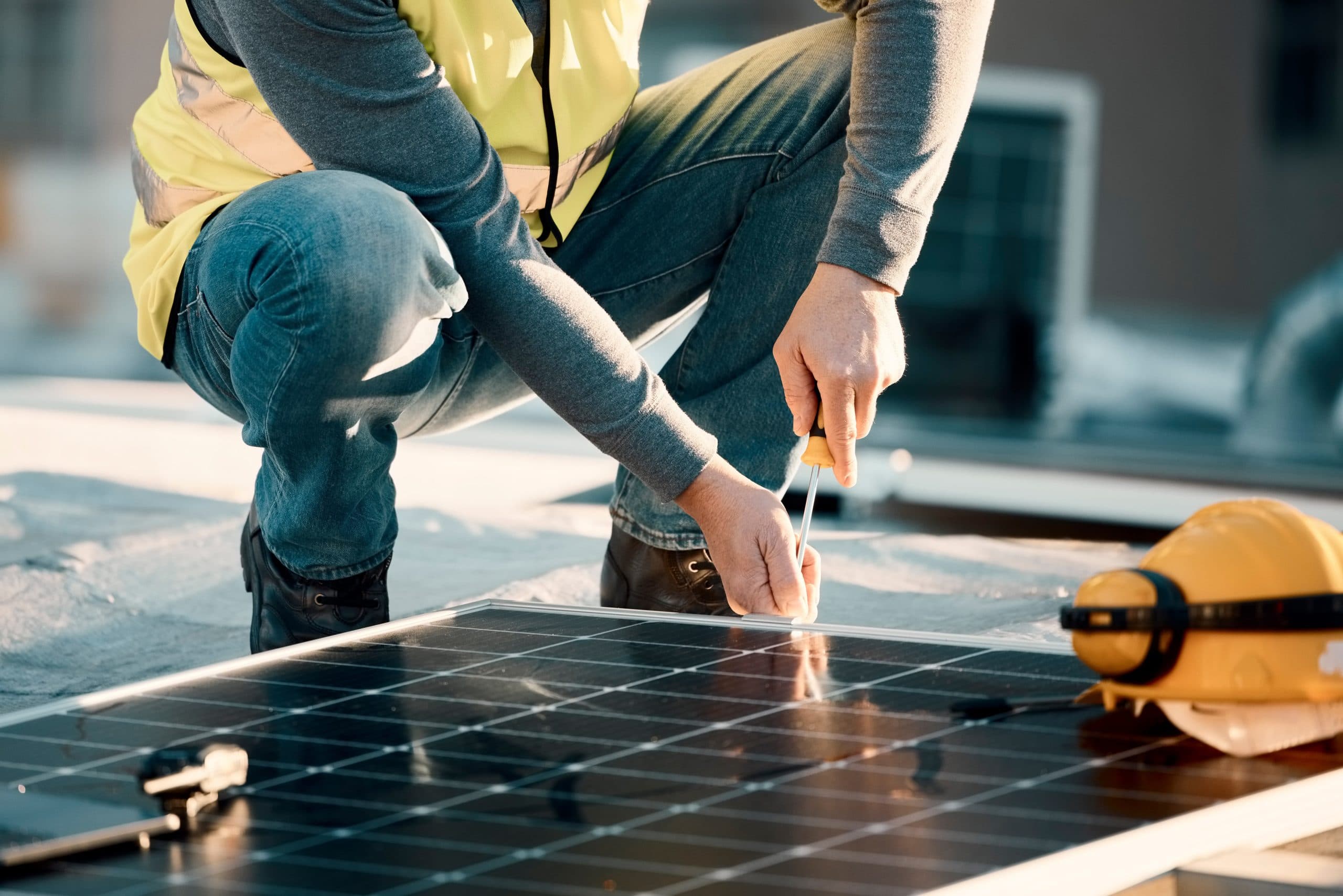
Crews mount racking, install wiring and inverters, place modules, label equipment and complete safety checks. Most home systems take 1 to 2 days, weather and roof complexity permitting.
7) Inspection and corrections
The city or county inspector verifies code compliance and safety labeling. If anything needs adjustment, the crew returns to address it. Passing inspection is required before energizing.
8) Utility interconnection and Permission to Operate
The utility installs or reconfigures the meter and issues PTO. At that point you can turn on the system, monitor performance and start earning bill credits under your local tariff.
Paying for solar: options and incentives
Pricing depends on system size, equipment, roof complexity, region and labor. Most homeowners choose one of these paths:
- Cash purchase – Highest upfront cost but best lifetime savings and ownership of incentives.
- Solar loan – Spread payments over 5 to 20 years. You still own the system and incentives.
- Lease or PPA – Little to no upfront cost. A third party owns the system and you pay a fixed rate per kWh or monthly fee.
In many markets you can apply federal tax credits and sometimes state or utility rebates. Pairing efficiency upgrades can cut the array size needed. Compare total lifetime cost, escalators, maintenance responsibilities and early buyout terms across bids. Enervio helps sales teams generate transparent, apples-to-apples proposals that model incentives and time-of-use rates clearly.
DIY vs professional installation
Do-it-yourself solar can look cheaper, but it adds engineering risk, safety hazards and paperwork complexity. Many jurisdictions require licensed installers for permits and interconnection, and manufacturers may restrict warranties for DIY installs. Professional crews bring code expertise, correct fastening and wire routing, rapid shutdown compliance, and streamlined inspections. If you want to self-perform part of the work, consider a hybrid approach where a pro designs, permits and commissions the system while you handle limited prep under guidance.
FAQ
How to install a solar system step by step?
The high-level sequence is assessment, site survey, proposal and contract, permitting, equipment ordering, installation, inspection, and interconnection with PTO. The exact solar panel installation step by step procedure varies by utility and whether you add storage.
What are the 8 steps in the overall solar process?
1) Remote assessment, 2) Site survey and engineering, 3) Proposal and financing, 4) Permitting and interconnection application, 5) Ordering and scheduling, 6) Installation, 7) Inspection, 8) Utility PTO and system turn-on. These are the standard steps to install solar panels.
What is the 20% rule for solar panels?
People use this phrase to describe different local limits, such as roof coverage or electrical bus loading. Always check your local fire setbacks and utility interconnection rules. Your installer or AHJ will clarify the exact constraints for your address.
What is the 33% rule in solar panels?
Like the 20 percent rule, this often refers to jurisdiction-specific coverage or layout requirements. There is no universal 33 percent rule. Confirm roof setback, spacing and structural rules with your local authority and utility before finalizing design.
Building a repeatable process is how solar companies scale. Enervio’s AI platform helps your team qualify properties remotely, educate prospects with personalized agents, and generate one-click offers that convert faster while reducing costs.


